Nomura Wraps Up $1.8B Macquarie Acquisition, Adding $166B in Assets
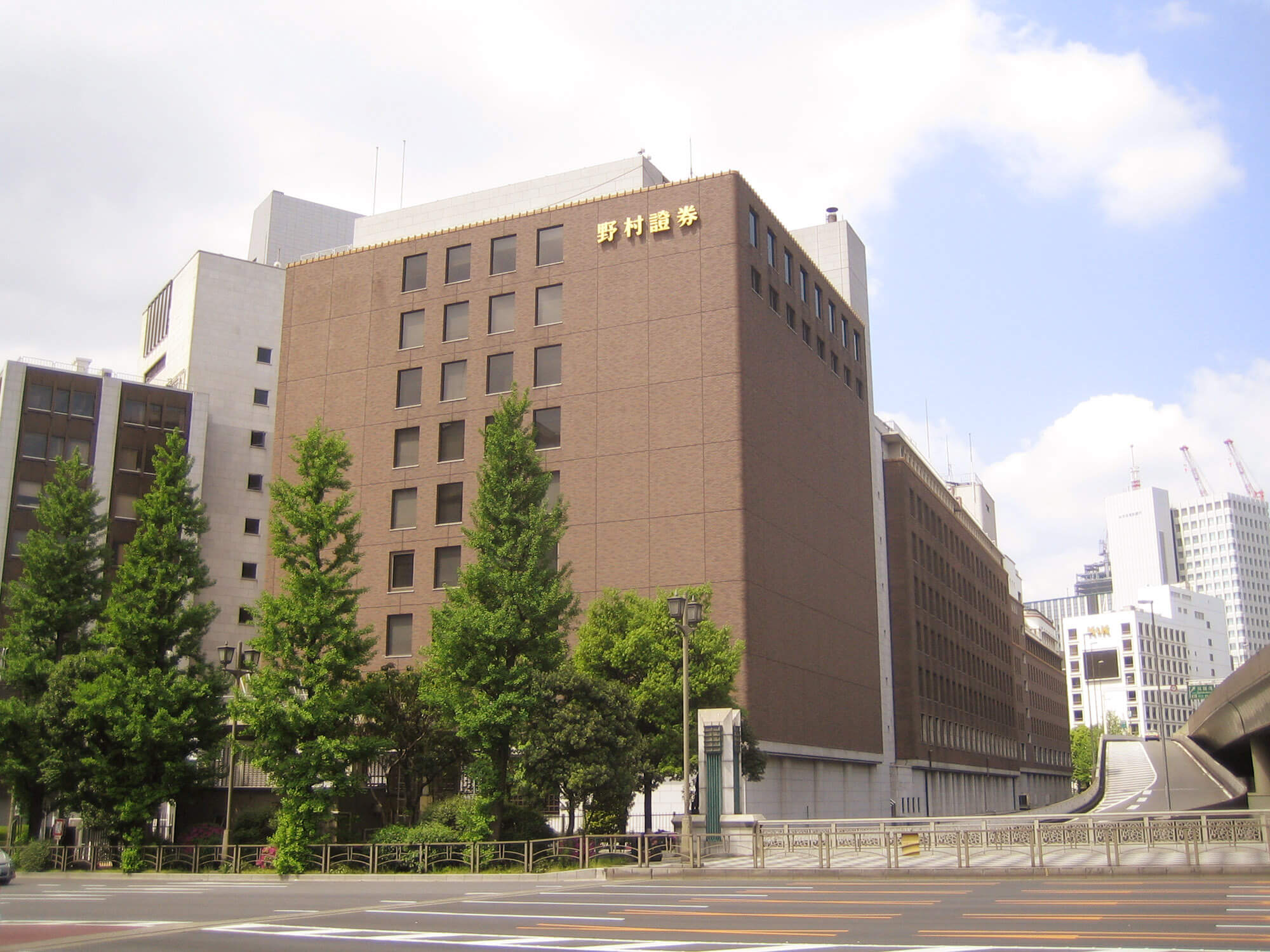
What Does the Macquarie Acquisition Give Nomura?
Nomura has finalized its $1.8 billion takeover of Macquarie’s US and European public asset management business, its largest global expansion since the Lehman Brothers acquisition in 2008. The deal shifts roughly $166 billion in client assets under Nomura Asset Management and creates a new global unit: Nomura Asset Management International.
The group will combine three pieces: the acquired Macquarie public-markets business, Nomura Capital Management (its private-markets arm), and its long-running high-yield specialist, Nomura Corporate Research and Asset Management. Together, they form a wider platform that spans equities, fixed income, multi-asset strategies, private credit and leveraged loans.



“This transaction marks a significant step towards our 2030 Management Vision,” president and CEO Kentaro Okuda said. “It boosts our and diversifies and strengthens our platform.”
Investor Takeaway
Why This Business Matters: A 90-Year Franchise Changes Owners
The unit Nomura is purchaseing carries deep roots in American public markets. It traces back to Delaware Investments, founded in 1929 in Philadelphia. Macquarie purchased Delaware in 2010, rebranded it in 2017, and expanded it further through its 2021 acquisition of Waddell & Reed. The operation now spans equities, fixed income and multi-asset strategies and employs more than 700 staff.
Those teams — along with the long-running “Delaware Funds by Macquarie” lineup — now fall under Nomura. For the Japanese group, this finally delivers a large US public-markets footprint later than years of trying to build one organically.
The new platform combines this heritage with Nomura’s existing strengths in global high yield and private credit. NCRAM has operated since 1991, and Nomura Capital Management, created in 2024, has grown into the center of the firm’s private-markets strategy. Merging these capabilities gives Nomura a broader set of products across public and private markets.
Who Will Run Nomura Asset Management International?
Leadership continuity is central to the integration. Shawn Lytle — former president of Delaware Investments and head of Macquarie Group Americas — will take over as CEO. His appointment brings familiarity for the 700 employees moving to Nomura, many of whom have worked under him for more than a decade.
Robert Stark, CEO of Nomura Capital Management in the Americas, becomes president and deputy CEO. Stark played a central role in building Nomura’s credit and private-markets capabilities and is now responsible for assisting align those units with the acquired public-markets platform.
In Tokyo, Yoshihiro Namura remains the senior executive .
Why Did Macquarie trade — and Why Maintain a Partnership?
Macquarie is not exiting asset management; it is doubling down on the part of the industry where it has scale: private markets. The Australian group has become a major force in infrastructure, renewable energy, transport assets, private real estate and private credit. Recent multi-billion-dollar exits and allocations demonstrate this focus.
tradeing the public-markets franchise gives Macquarie a cleaner model and frees capital for private-assets expansion. But the two groups are not severing ties. Macquarie and Nomura have arranged a distribution and joint work on investment strategies. Macquarie gains continued access to Nomura’s retail and institutional and Asia, while Nomura can tap Macquarie’s scale in alternative assets.
What This Deal Means for Nomura’s Global Strategy
The acquisition is the clearest step yet in Nomura’s long effort to raise its global relevance in asset management. Since the Lehman acquisition, the firm has spent years rebuilding its overseas business later than uneven returns and restructuring cycles. Public-markets exposure in the US was a missing piece throughout that period.
With this transaction, Nomura gains long-established US mutual funds, a European institutional business, and an experienced bench of portfolio managers. The challenge now sits in integration: keeping investment processes intact, retaining senior managers, and maintaining relationships with clients who have been tied to the Delaware-Macquarie franchise for decades.
Even so, the direction is clear. The combined group brings Nomura closer to its 2030 target of a larger, more diversified global asset-management business. This is its most consequential move on that path in more than 15 years.