South Korea Looks to Bring Strict Control Over Stablecoin Issuers
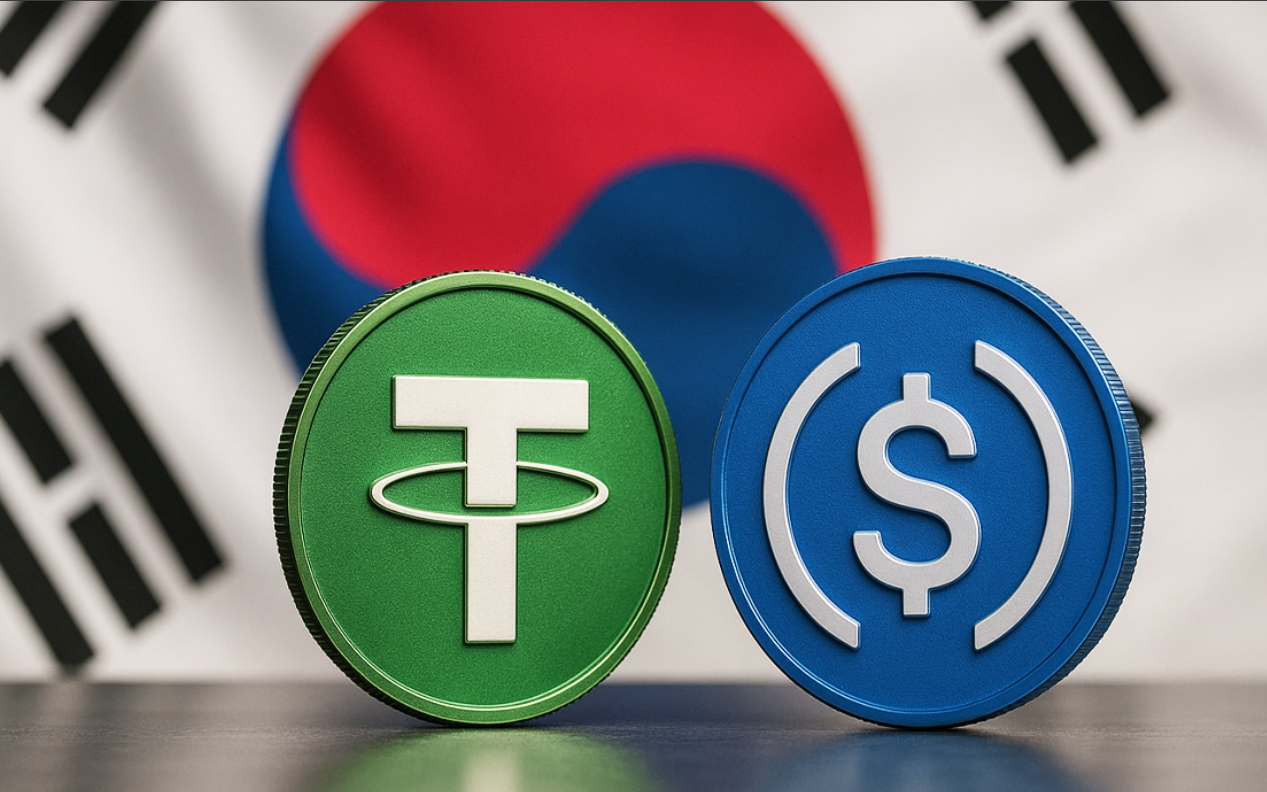
South Korea is moving toward imposing strict regulatory control over stablecoin issuers, signaling a major shift in how one of Asia’s most active crypto markets will treat dollar- and won-pegged digital currencies. Policymakers and financial watchdogs are preparing new rules that would treat major stablecoins similarly to traditional payment instruments, with an emphasis on reserve quality, transparency, and consumer protection.
Proposed Rules and the Future of Stablecoin Issuance
At the core of the proposed framework is the idea that any entity issuing widely used stablecoins to Korean users should operate more like a regulated financial institution than a lightly supervised tech beginup. Authorities are weighing requirements for full, high-quality reserve backing, regular third-party audits, strict segregation of client assets, and clear redemption rights. Issuers may also be required to hold a portion of reserves in highly liquid, low-risk assets such as cash, short-term government securities, or insured bank deposits.



In addition, stablecoin providers could face licensing, fit-and-proper tests for executives, and ongoing reporting obligations similar to those imposed on payment companies and e-money institutions. Local platforms listing stablecoins would need robust know-your-customer (KYC) and anti-money-laundering (AML) controls, as well as real-time monitoring systems capable of flagging suspicious flows or abrupt changes in redemption patterns. The goal is to prevent runs, fraud, and the kind of opaque reserve practices that have plagued parts of the stablecoin industry in the past.
Korean regulators are also paying close attention to foreign issuers targeting local users. New rules may require offshore stablecoin projects to register or partner with licensed domestic entities if they want meaningful access to the Korean market.
Impact on Innovation, Adoption, and Global Stablecoin Policy
For the crypto ecosystem in South Korea, tighter stablecoin rules could cut both ways. On one hand, additional compliance costs and licensing obligations may push smaller or undercapitalized issuers out of the market, reducing the number of tokens available on local platforms. Some projects may decide to geoblock Korean users or limit services rather than adapt to the new framework, which could temporarily reduce choice and on-chain liquidity.
On the other hand, clear and rigorous rules could make stablecoins more attractive to institutions, fintechs, and mainstream consumers. With strong legal protections and transparent reserves, Korean banks and payment providers might feel more comfortable integrating regulated stablecoins into remittance services, merchant payments, and digital wallets. That could expand real-world utility while reducing reliance on volatile cryptocurrencies for day-to-day transactions.
The policy push also fits into South Korea’s broader effort to bring order to its quick-growing crypto sector, which has already viewn stricter platform licensing, travel-rule implementation, and tougher enforcement against illicit flows. By moving ahead on stablecoin oversight, Korean authorities are positioning the country as a testbed for how advanced economies can harness digital money without sacrificing financial stability.
Globally, South Korea’s approach will be closely watched by regulators and issuers alike. If the framework succeeds in reducing risk while supporting innovation, it could influence future rules in other jurisdictions grappling with how to treat large, borderless stablecoins. For now, one message is clear: in the next phase of crypto regulation, stablecoins are central to the debate about the future of money and payments.