Wallet Intelligence: Will Wallets Get Smarter Than Users?
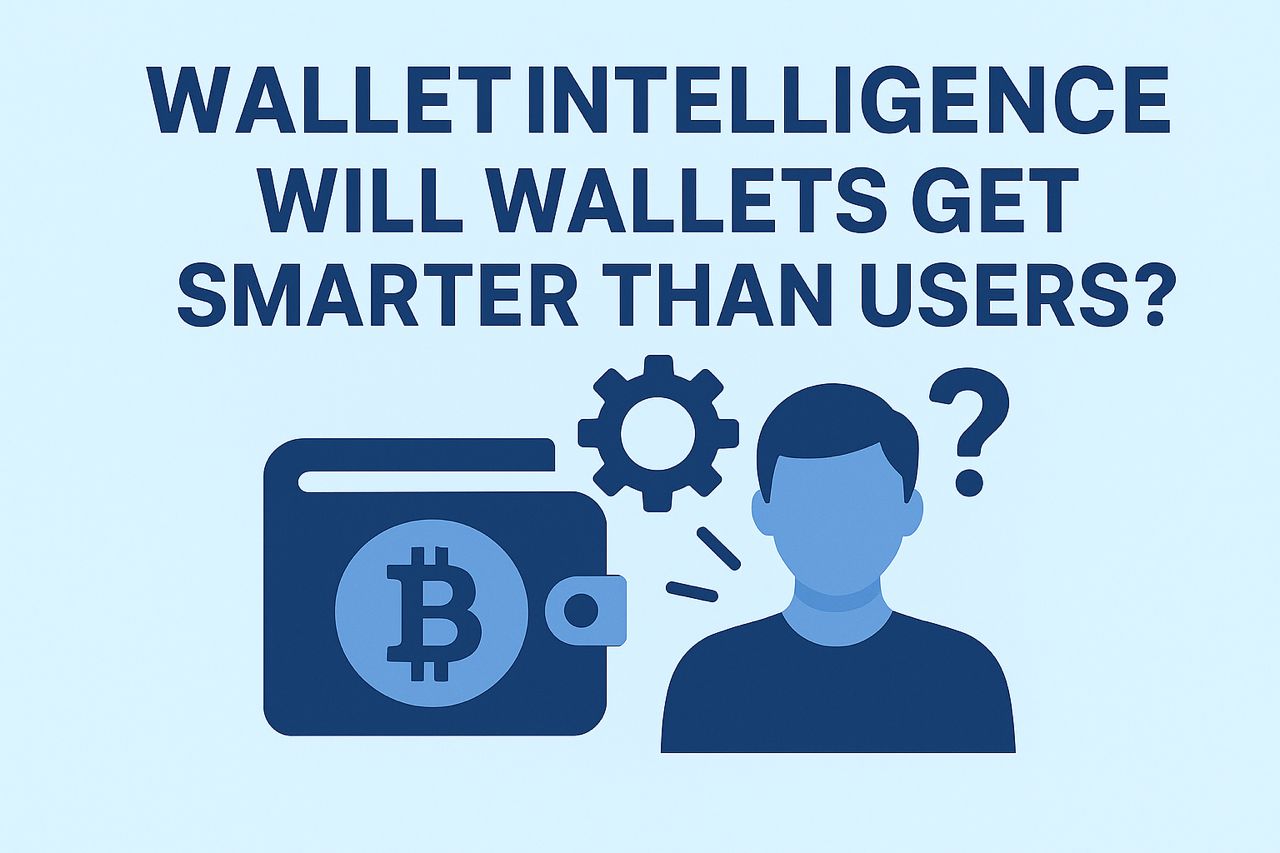
Digital wallets didn’t begin as smart tools. Initially, they were simple devices or apps whose function was to store and send cryptocurrency. Their main role was to keep Secret keys secure and enable users to make simple transactions. There was no intelligence, automation, or real support for decision-making.
Over time, wallets began to grow in capability. Developers included features like portfolio tracking, token swapping, and multi-chain support. Wallets transitioned from being regular “storage tools” to becoming financial control centers. Today, many wallets can calculate network fees, track assets, and warn people about risky transactions.


In this article, you’ll learn how wallets begined thinking and how data made them smarter. You’ll also find out if wallets will eventually become smarter than the people using them.
Key Takeaways
- Digital wallets now function more than simple storage tools; they’re intelligent financial assistants.
- Smart wallet features can improve security, speed, and efficiency, but they aren’t perfect.
- Wallets depend on rules and data, while humans bring values, context, and long-term thinking.
- Users who understand their wallets will gain more than those who blindly use them.
- The future of wallet intelligence is about collaboration, not replacement.
What “Intelligence” Means in Financial Technology
When a wallet is referred to as “intelligent”, it doesn’t mean it can think like a human. Instead, it can learn patterns, analyze data, and make smart decisions without needing regular human input.
Intelligence in financial technology often comes from tools like machine learning, artificial intelligence (AI) and automation. These systems study user behavior, market movements and how risks appear. Then, this data is used to predict better outcomes, like the ideal time to send a transaction or any action that might be risky.
Therefore, users don’t have to do all the thinking; intelligent systems now assist with decision-making. This saves time, reduces mistakes, and improves efficiency. Additionally, it creates a new tension because when technology gets smarter, people may rely on it more than their judgment.
Smart Features Already Inside Today’s Wallets
Most wallets presently offer more than crypto storage. They use smart tools to improve security, optimize transactions, and guide user decisions behind the scenes.
1. Automatic token detection and portfolio organization
Modern wallets can automatically scan an individual’s address and detect all tokens connected to it. Instead of displaying random contract strings, the wallet shows the correct symbol, logo, and token name. They also group assets by type, like NFTs, , governance tokens, and DeFi assets.
2. Smart Transaction fee estimation and transaction optimization
Wallets can now analyze network conditions in real time before suggesting transaction fees. They provide options like sluggish, normal, and quick, depending on how busy the network is. Some wallets can delay non-urgent transactions and process them when Transaction fees are cheaper. This assists users save money automatically.
3. Built-in token swapping and liquidity routing
Instead of routing users to centralized or decentralized platforms, wallets can swap tokens in the app. This feature is possible because the wallet scans several liquidity pools and decentralized platforms to get the best price. Hence, slippage and poor trades are reduced, making trading easier and quicker.
4. Scam detection and risk warnings
Smart wallets now monitor for malicious smart contracts, fake tokens, and phishing links. Before a transaction is signed, the wallet may display warnings to allow the user to make informed decisions. This protects users from social engineering tricks and .
5. Transaction simulation and preview
Some advanced wallets may stimulate transactions before they’re approved. This indicates that the wallet will show exactly what will occur if the transaction goes through. It will provide information on what fees will be charged, how much will be sent, and what smart contracts will be touched. Therefore, the chances of sending funds to the wrong address or approving dangerous permissions.
Will Wallets Become Smarter than Users?
Wallets are getting smarter, quicker, and more autonomous. This section explores whether they might soon outperform humans in financial decisions.
1. Wallets process data rapidly
Wallets can analyze fees, prices, network congestion, and transactions across multiple blockchains almost immediately. Humans take more time, giving wallets an edge in speed-sensitive situations.
Limitations: Speed isn’t the identical as wisdom. Wallets act on data, not context. They cannot weigh ethical concerns, personal goals, or life priorities like humans do.
2. Wallets reduce emotional mistakes
Wallets don’t panic when market drops occur, nor do they get greedy during spikes. They function on pre-set rules, empowering users to avoid regular emotional errors that can be expensive.
Limitations: Using pure logic can be rigid. A wallet may prevent “risky” actions that an individual wants to take. Also, it might miss opportunities that require judgment beyond data and rules.
3. Wallets predict outcomes based on data
Wallets can leverage real-time and historical data to predict the best time for transactions. They can warn users about scams and can optimize fees. This feature leads to better results rather than relying on guesswork.
Limitations: Predictions aren’t perfect. Market behavior, unexpected occurrences, and hacks can make data-driven suggestions incorrect. Therefore, experience and human intuition are still vital in uncertain situations.
4. Wallets can automate actions
Some wallets can automatically rebalance portfolios, claim rewards or transfer funds to securer addresses without viewking approval. This saves time and improves efficiency.
Limitation: If conditions change unexpectedly, automation can backfire. Users must understand and overview automated actions to avoid errors that a purely data-driven system cannot anticipate.
5. Wallets support users, but cannot replace judgment
Wallets are great intelligent assistants, providing users with alerts, information, and suggestions. They make complicated tasks easier and minimize errors.
Limitation: They cannot understand long-term goals, personal values, or moral considerations. A wallet may optimize for gains but ignore the individual’s priorities, ike funds preservation or reducing exposure to stress.
Conclusion: Finding the Right Balance Between Users and Intelligent Tools
are neither perfect answers nor dangerous replacements. Their impact depends on their design and how they’re used. Users who remain informed and ensure control will benefit more, while those who depend on automation without understanding it may face more risks. The future won’t be defined by users alone or wallets alone. Instead, it will be shaped by how well both sides work together.