Russia Sues Euroclear for $230B as EU Moves to Tap Frozen Assets
What Is Behind Russia’s $230 Billion Lawsuit?
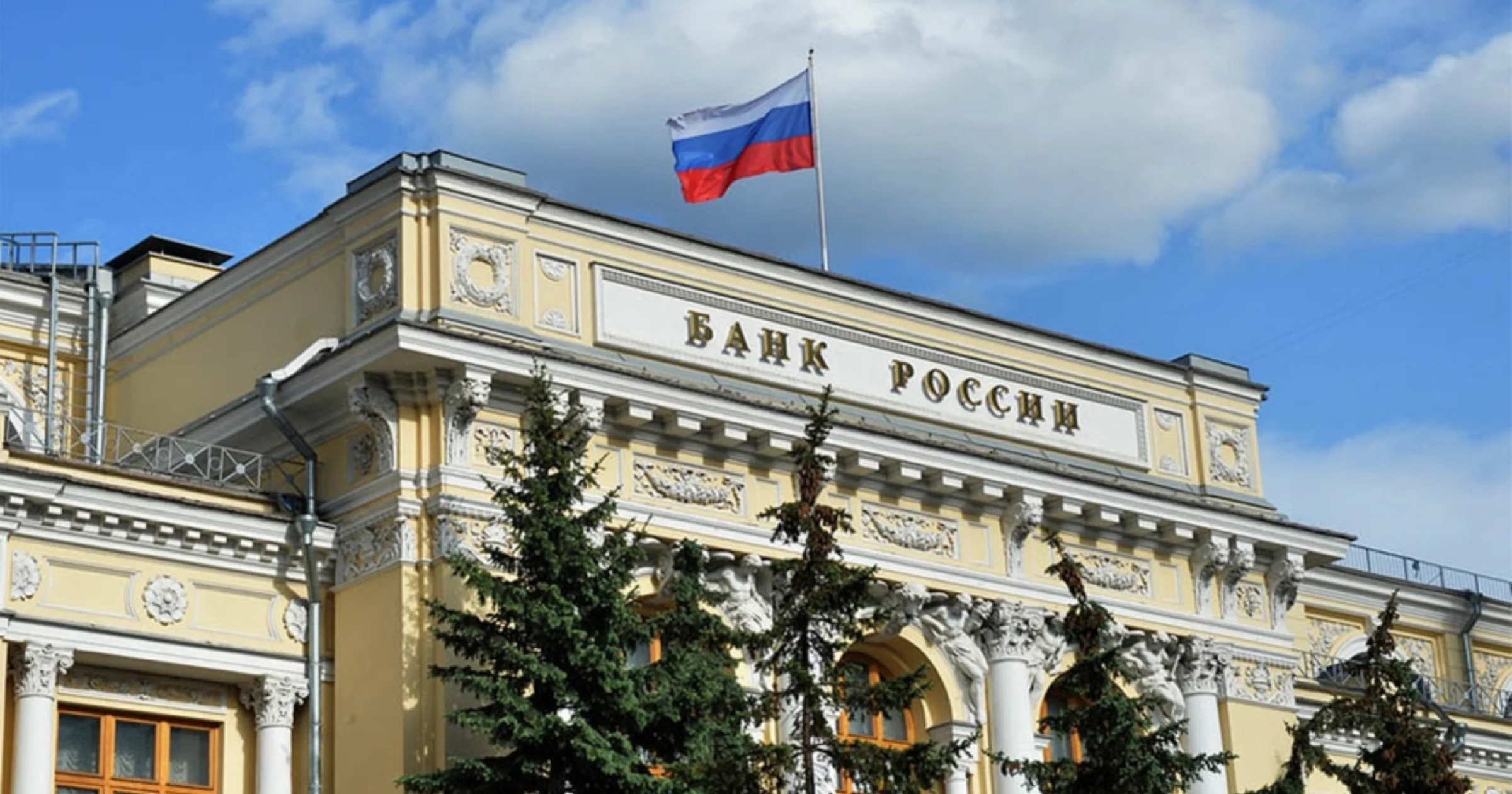
Russia’s central bank has filed a lawsuit in Moscow viewking $230 billion in damages from Euroclear, escalating a confrontation over the EU’s plan to use frozen Russian reserves to support Ukraine. The case, lodged with Moscow’s Commercial Court, demands 18.2 trillion roubles — the full value of the assets frozen in Europe since Russia’s 2022 invasion.
Euroclear, the Belgium-based depository that holds most of the immobilized reserves, did not respond to requests for comment. Legal specialists expect the Russian court to issue a quick ruling in favour of Moscow, though enforcement outside Russia remains uncertain.



EU leaders recently agreed to freeze the assets indefinitely and use proceeds to back a loan for Ukraine’s military and civilian needs in 2026 and 2027. Brussels argues the move is necessary to support Kyiv and deter future aggression. Moscow rejects that claim and says the EU has no legal basis to use sovereign funds in this way.
Investor Takeaway
How Is Russia Responding to the EU’s Plan?
Russian officials have repeatedly warned the EU that using its sovereign reserves amounts to theft and could undermine confidence in the euro and global custodial systems. President Vladimir Putin’s investment envoy Kirill Dmitriev told Reuters:
“What rational investor will hold its securities in Euroclear, in euro or in the EU, if they understand that their property rights are not respected and their assets can be taken away under any pretext.”
Russia’s central bank said the EU plan is illegal and vowed to challenge it in “national courts, judicial authorities of foreign states and international organizations, arbitral tribunals and other international judicial instances.” The statement shows Moscow preparing for a broad, multi-jurisdiction fight if Europe proceeds.
Earlier, Russia warned it could retaliate by seizing the holdings of European private investors inside Russia, raising concerns that the dispute could spill into broader financial markets.
Could Russia Enforce a Court Ruling Outside Its Borders?
The lawsuit itself is only the first step. The critical question is whether Russia could enforce a domestic court ruling abroad. According to Gleb Boyko of NSP law firm,
“The Bank of Russia may attempt to enforce a Russian in China, Hong Kong, the UAE, Kazakhstan and other friendly jurisdictions, if such assets can be identified.”
Such actions would put third countries in a hard position, balancing strategic ties with Russia against the risk of disrupting links to European markets. For Euroclear, the risk is not only the headline lawsuit but the possibility of asset freezes or legal challenges in multiple jurisdictions.
Europe’s banking sector has voiced caution. Several institutions warned that seizing sovereign reserves sets a dangerous precedent that could fragileen trust in Western systems, particularly among large reserve holders that rely on them for cross-border settlement.
Investor Takeaway
Why Is the EU Plan Controversial?
A 2024 paper by Sweden’s Riksbank noted that seizing the reserves of a belligerent state to aid a third country during an active conflict would be unprecedented. The EU proposal also conflicts with parts of a U.S.-linked peace framework that floated dividing the assets between Ukraine reconstruction and a future investment vehicle shared by the United States and Russia.
Dmitriev described the European plan as “a blow to the international States.” His remark highlights one of Russia’s key arguments: that the structure of post-war global finance relies on the expectation that sovereign assets remain protected even in periods of conflict.
The EU, however, faces pressure to deliver long-term funding for Ukraine as the war drags on and support becomes less predictable. Redirecting Russian interest income — and potentially the principal — has been framed by European officials as both a practical tool and a form of accountability.
With Russia now escalating the dispute through its court system, both sides are preparing for a prolonged legal and political fight with consequences for global reserves, custodians and .