Tether Transitions to Consumer Tech with AI-Powered “Self-Custodial” Wallet
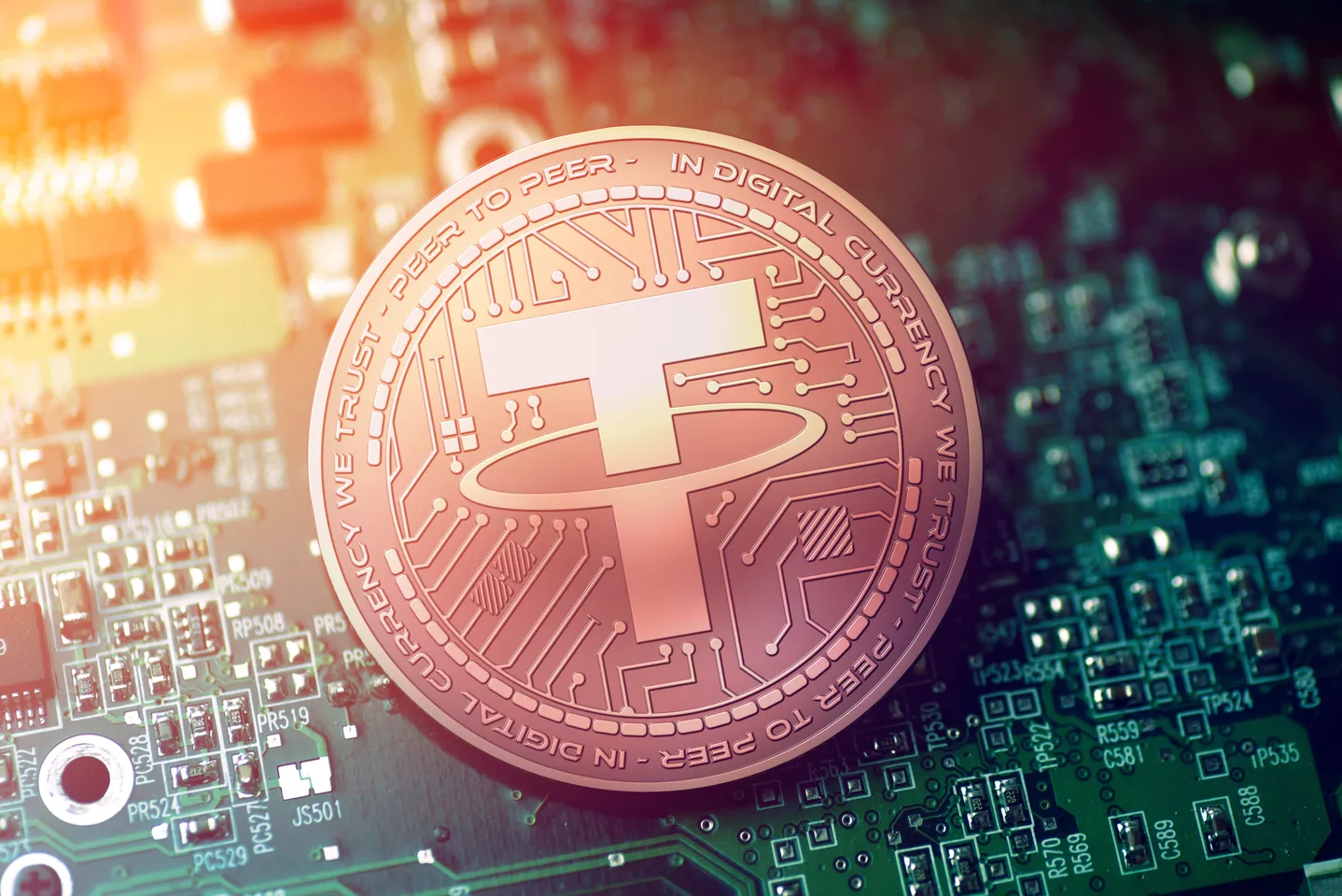
In a significant expansion of its corporate strategy, Tether announced on December 20, 2025, that it is developing a proprietary mobile cryptocurrency wallet designed to move the company from “backend infrastructure” to a direct consumer-facing role. CEO Paolo Ardoino confirmed the initiative via social media, revealing that the firm is currently recruiting a Lead Software Engineer to spearhead the project. Unlike many existing multi-chain wallets that support thousands of speculative assets, Tether’s application will intentionally restrict its focus to a “hard money” basket of just four assets: BTC (including Lightning Network support), USDT, the gold-pegged XAUT, and USAT—the firm’s new US-regulated stablecoin.
The AI Edge: On-Device Privacy via QVAC and WDK
The defining feature of the upcoming wallet is its integration of local, private artificial intelligence. By utilizing Tether’s proprietary QVAC decentralized AI platform and its Wallet Development Kit (WDK), the application will process AI-driven financial tasks directly on the user’s mobile hardware. This “on-device” approach is a deliberate move to bypass cloud-based AI services, which Tether argues are susceptible to privacy breaches and censorship. The goal is to provide a “sovereign” digital assistant that can assist users manage payments and monitor their portfolios without their data ever leaving the device. Ardoino summarized the product’s philosophy with the internal slogan: “Own your money.”


Beyond simple asset storage, the wallet is being positioned as the foundation for the next generation of “autonomous agents.” Using the open-source WDK, Tether envisions a world where AI agents and robots can manage their own resources—performing tasks like automated portfolio rebalancing or paying for machine-to-machine services—without human intervention. This vision of “resilience in chaos” emphasizes a system that remains functional even in dystopian or disconnected scenarios, focusing on peer-to-peer communication and decentralized verification rather than relying on central servers.
Vertical Integration: A Fortress for the Stablecoin Ecosystem
This wallet marks the final piece of Tether’s “vertical stack” strategy for 2026. By controlling the wallet interface, the underlying stablecoins, and the security layer—including the recently launched PearPass peer-to-peer password manager—Tether is creating a closed-loop ecosystem that minimizes reliance on third-party platforms. The move represents a significant strategic pivot for the $186 billion stablecoin issuer, as it viewks to capture the user relationship that has traditionally been held by platforms and third-party wallet providers.
While a specific release date has not yet been confirmed, the current hiring push for a Lead Software Engineer suggests that a beta version of the 100% self-custodial app will likely debut in the first half of 2026. By ignoring the “DeFi casino” and focusing purely on stable, high-liquidity assets, Tether is betting that the future of finance lies in simple, AI-enhanced payment rails. As the firm integrates its massive liquidity with its nascent AI division, it is positioning itself not just as a stablecoin provider, but as a core technology utility for the burgeoning machine-to-machine economy.