Top 5 Crypto Executive Orders and Laws Signed by President Trump Since Late 2024
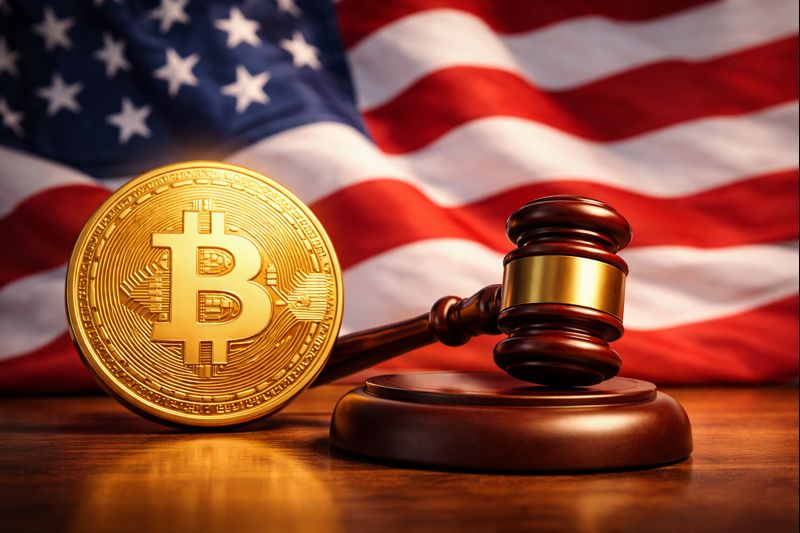
Since returning to office in late 2024, U.S. President Donald J. Trump has taken an unusually direct approach to cryptocurrency regulation. Through a mix of executive orders and signed legislation, his administration has moved to redefine how digital assets are treated under U.S. law, shifting federal policy toward strategic adoption, regulatory clarity, and explicit opposition to a central bank digital currency.
Below are the five most consequential crypto-related executive actions and laws enacted under Trump’s second presidency so far, and why they matter for the global digital asset market.


Key Takeaways
-
President Trump has shifted U.S. crypto policy from restriction to strategic adoption since late 2024.
-
Executive Order 14178 established blockchain and digital assets as national financial priorities.
-
The Strategic BTC Reserve and Digital Asset Stockpile make the U.S. one of the largest official holders of crypto.
-
The GENIUS Act provides the first comprehensive regulatory framework for stablecoins.
-
Retirement account access and coordinated federal oversight signal broader institutional integration of digital assets.
Executive Order 14178: Strengthening American Leadership in Digital Financial Technology
Signed in January 2025, Executive Order 14178 laid the foundation for the Trump administration’s crypto policy. The order formally established digital assets and blockchain technology as strategic tools for U.S. financial leadership, while rolling back prior federal directives that were viewed as hostile to the sector.
The order explicitly barred federal agencies from pursuing or promoting a U.S. , reinforcing Trump’s long-standing opposition to a digital dollar. It also directed the formation of a , tasked with delivering a unified regulatory framework covering cryptocurrencies, stablecoins, and blockchain-based financial infrastructure.
By replacing fragmented enforcement with a coordinated policy mandate, the order marked a clear departure from the regulatory posture of previous administrations and signaled to markets that crypto would be treated as a legitimate component of the U.S. financial system rather than a peripheral risk.
Executive Order Establishing a Strategic BTC Reserve and U.S. Digital Asset Stockpile
In March 2025, President Trump signed one of the most significant crypto-related executive orders in U.S. history, creating a Strategic BTC Reserve alongside a broader Digital Asset Stockpile managed by the Treasury Department.
The order consolidated BTC and other digital assets acquired through civil and criminal forfeitures into federally managed reserves, effectively recognizing BTC as a long-term strategic asset rather than surplus property to be liquidated. Federal agencies were instructed to account for all digital assets under their control, while BTC placed in the reserve was designated as non-disposable except under extraordinary circumstances.
This move positioned the United States as one of the world’s largest sovereign holders of BTC and reinforced the administration’s view of crypto as a geopolitical and financial asset, comparable in strategic importance to gold or foreign currency reserves.
The GENIUS Act: America’s First Comprehensive Stablecoin Law
In July 2025, President Trump signed the . Unlike executive orders, this legislation carries the full force of statutory law and represents the first comprehensive federal framework governing stablecoins.
The law establishes clear requirements for stablecoin issuers operating in the United States, focusing on reserve backing, transparency, and regulatory oversight. It also defines the roles of federal regulators in supervising stablecoin activity, addressing long-standing legal amlargeuity that had previously driven issuers offshore or into regulatory gray zones.
The GENIUS Act is widely viewed as a turning point for stablecoins, opening the door for deeper integration into payments, banking, and settlement systems while reducing systemic risk concerns that had drawn criticism from policymakers in earlier years.
Executive Order Expanding Crypto Access in Retirement Accounts
Later in 2025, President Trump issued an executive order directing the Department of Labor to reassess restrictions that limited the inclusion of cryptocurrencies and other digital assets in retirement plans governed under ERISA.
The order instructed regulators to reconsider guidance that discouraged plan administrators from . While it did not mandate inclusion, it removed a major regulatory deterrent that had effectively blocked digital assets from long-term retirement portfolios.
If implemented broadly, the policy could significantly expand institutional and retail exposure to crypto markets, introducing digital assets to a demographic traditionally insulated from high-volatility investments.
Coordinated Federal Shift in Crypto Regulation and Enforcement
Beyond formal executive orders and legislation, the Trump administration has driven a broad policy shift through regulatory appointments and interagency coordination. The creation of dedicated crypto and AI leadership roles, the establishment of task forces spanning the Treasury, SEC, and CFTC, and direct engagement with industry leaders through White House-hosted crypto summits have collectively reshaped federal oversight.
Regulators under this framework have emphasized compliance clarity over enforcement-first tactics, signaling a move away from regulation by litigation. While not codified in a single document, this coordinated approach has materially influenced how markets interpret U.S. crypto policy and enforcement risk.
Bottom Line
Taken together, these executive orders and laws represent one of the most aggressive pro-crypto policy realignments ever undertaken by a U.S. administration. The shift moves federal policy away from skepticism and containment toward strategic adoption, legal clarity, and global competitiveness.
For investors, developers, and institutions, the Trump administration’s crypto agenda reduces regulatory uncertainty while embedding digital assets into national financial strategy. As additional rulemaking and legislation follow, these ahead actions are likely to shape U.S. crypto policy for years to come.
Frequently Asked Questions (FAQs)
What is Executive Order 14178?
A1: It is a 2025 order establishing U.S. leadership in digital financial technology, banning a federal CBDC, and coordinating crypto regulation across agencies.
What is the Strategic BTC Reserve?
A2: A federal reserve of BTC and other digital assets acquired through asset forfeiture, recognized as strategic national holdings.
What does the GENIUS Act do?
A3: It provides the first comprehensive U.S. law regulating stablecoins, including asset backing, transparency, and federal oversight requirements.
How does Trump’s policy affect retirement accounts?
A4: His 2025 order directs regulators to allow cryptocurrencies in 401(k) and similar plans, expanding long-term retail and institutional crypto exposure.
How has federal regulation changed under Trump?
A5: The administration has appointed crypto-focused leadership, created interagency task forces, and emphasized compliance clarity over enforcement-first approaches.