What Is the 401(k) to Crypto IRA Strategy?
KEY TAKEAWAYS
- The 401(k) to Crypto IRA strategy enables investors to rollover retirement funds into a Self-Directed IRA for cryptocurrency investments, such as BTC.
- Eligibility for the rollover often requires leaving a job or qualifying for in-service distributions, with direct trustee-to-trustee transfers ensuring a tax-free process.
- Benefits include diversification against traditional market risks, inflation hedging through BTC’s limited supply, and potential for higher returns based on historical cryptocurrency performance.
- Tax implications favor deferral or exemption within the IRA, with no immediate taxes on rollovers or internal gains, though withdrawals follow standard retirement account rules.
- Risks involve market volatility, varying security levels across providers, and the need for professional consultation to avoid compliance issues.



More and more investors are viewking strategies to diversify their retirement portfolios beyond stocks, bonds, and mutual funds. The is a planned way to add cryptocurrencies like BTC to your retirement funds.
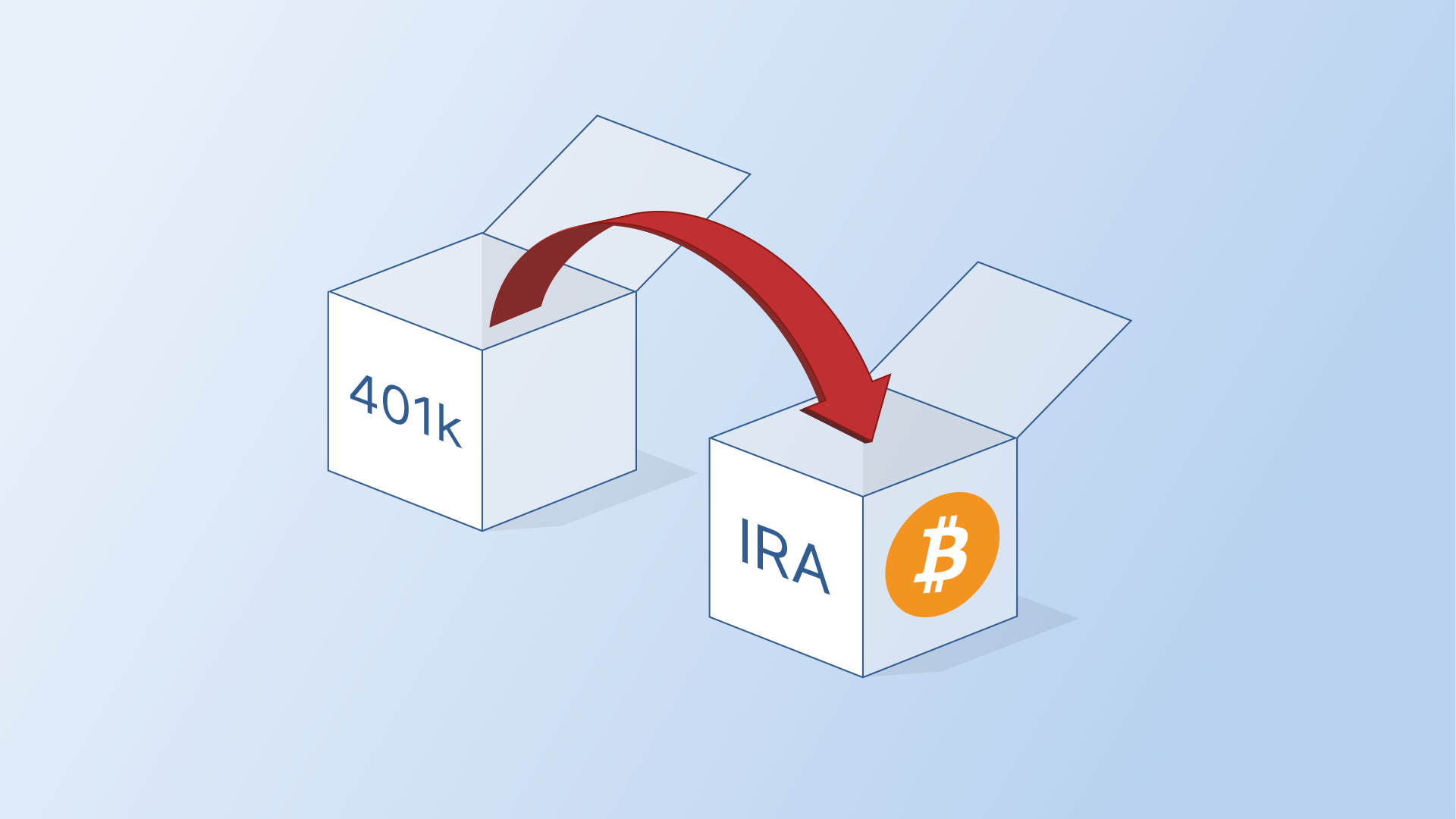
This strategy involves moving funds from a 401(k) plan to a Self-Directed Individual Retirement Account (SDIRA), also known as a Crypto IRA or Digital IRA. This type of account lets you invest in other assets, such as digital currencies. The IRS says that cryptocurrencies are personal property under Notice 2014-21.
This means that you can keep them in these accounts, and they may grow without being taxed. Researchers from specialized companies have shown that this method can protect against inflation and capitalize on the rise of.
This article provides a comprehensive overview of the rollover process, covering how it works, its benefits, and key considerations. It does this by leveraging information from cryptocurrency IRA platforms to assist people make smart retirement-planning decisions in the digital age.
What You Need to Know About 401(k) Plans and Crypto IRAs
A 401(k) is a retirement savings plan that employers offer to their employees. Employees can contribute to the plan before taxes, and employers may match some of those contributions. The money is usually invested in a small number of stocks, bonds, and mutual funds.
Most 401(k) custodians, on the other hand, don’t let you invest directly in cryptocurrencies like BTC. To get to these assets, you have to roll them over.
A Crypto IRA, on the other hand, is a sort of SDIRA that lets you invest in more than 75 digital currencies, like BTC, ETH, and others, in addition to traditional assets. Qualified custodians manage these accounts and ensure they comply with IRS rules, classifying digital assets as property for tax purposes.
The plan leverages blockchain technology’s decentralization, enabling secure, direct transactions between people without the need for banks or governments. BTC is often called because it has a fixed supply cap of 21 million coins and is rare. It could be a excellent way to store value against the devaluation of fiat currency and geopolitical instability.
This strategy appeals to investors who want to spread their money around, since stock market corrections occur about every 6 to 10 years and can eat away at traditional retirement savings. People can access over 1,600 cryptocurrencies and other options, such as precious metals, real estate, and private equity, by switching to a Crypto IRA. This makes their portfolios more stable.
A Step-by-Step Guide to the Rollover Process
To begin the 401(k) to Crypto IRA strategy, you need to make sure you are eligible. This usually means you have to have left a job or be over 59.5 years old for in-service distributions, but the rules differ by plan type, such as a Traditional IRA, a Roth IRA, a 403(b), a 457, or a Thrift Savings Plan (TSP).
The first thing you need to do is register a Self-Directed IRA with a company that specializes in services. This will ensure your assets are secure and that trades go through. These providers connect consumers with certified custodians, such as Equity Trust Company, and handle the required documentation.
Then, begin a direct rollover or transfer from the. Choose a trustee-to-trustee transfer if you want to avoid paying taxes. This way, the money goes straight from one custodian to the other without going through the account holder. This avoids taxes and penalties right away.
On the other hand, receiving a personal distribution, such as a check in your name, means you have to pay income taxes and a 10% ahead withdrawal penalty if you are under 59.5. If you have a Traditional 401(k), the money will go into a Traditional SDIRA. If you have a Roth 401(k), the funds will be transferred to a Roth SDIRA. This keeps the tax treatment the identical.
Once you have money in your account, you may use the provider’s platform to send it to BTC or other cryptocurrencies. The platform works with platforms to make trading simple.
Finally, put the digital assets in insured cold storage wallets, a unique approach that makes them securer against hacks and theft. This process is simple, but it can be assistful to get free advice from experts to ensure you understand how to apply for and transfer your money correctly.
Benefits of the 401(k) to Crypto IRA Strategy
One large benefit is that it assists diversify portfolios, lowering the risks of traditional markets by adding assets that don’t move with stocks and bonds. Over the past 10 years, cryptocurrencies like BTC have outperformed many .
They have also acted as a hedge against inflation because their supply is limited and their structure is decentralized. There were only about 2 million BTCs left to mine as of May 2022, underscoring how rare it is, even with adaptive scaling techniques.
Tax-free or tax-deferred growth in an IRA makes these benefits even better, because profits from purchaseing, tradeing, or holding cryptocurrencies aren’t taxed right away until they are distributed. This structure allows reinvestment in other qualifying assets, preserving the retirement account’s integrity.
The technique also protects against and currency devaluation, making cryptocurrencies a secure bet in times of economic uncertainty. Secure custody alternatives, such as fully insured cold storage, enhance asset protection by addressing common concerns in the volatile crypto market.
Tax Effects and Following the Rules
The main reason for this method is its tax efficiency. If you roll over money from a 401(k) to an SDIRA directly, you won’t have to pay any taxes or penalties right away, which keeps the money’s tax-advantaged status.
With a Traditional SDIRA, you don’t pay on your investments until you withdraw them. With a Roth SDIRA, you don’t have to pay taxes on eligible distributions. Cryptocurrency gains are taxed like regular property, and there are no taxes on transactions within the account as long as the money stays there.
But following the rules is really significant. Providers stress that the rollover is legal under IRS guidelines, but some taxes may apply in certain situations, and following the rules is essential to prevent fines. These platforms don’t operate as fiduciaries, so it’s best to talk to certified tax, legal, or investing consultants. They only assist you connect with custodians, wallets, and platforms.
Risks and Considerations
Even though it viewms reasonable, the strategy has risks. Cryptocurrency markets are pretty volatile and can lead to significant losses, but this is tempered by the fact that they have performed better than other markets in the past.
Not all plans allow in-service payouts, and eligibility varies, so it’s essential to review the plan to avoid unexpected tax events. diverse providers have diverse security procedures, but the securety of your assets depends on the custody option you choose.
Investors should consider the fees for services such as security, trade execution, and support. They should also know that these platforms are neither custodians nor platforms. Professional counsel is necessary because the information is intended solely for teaching, and because diverse people may achieve diverse results.
The 401(k) to Crypto IRA approach is a way to add new to your retirement plan. It combines tax benefits with chances to diversify. It looks excellent, but you need to do extensive research and get professional assist to address its difficultys.
FAQs
What is a Crypto IRA?
A Crypto IRA is a Self-Directed Individual Retirement Account that allows investments in cryptocurrencies like BTC, offering tax advantages similar to traditional IRAs while expanding beyond conventional assets.
How do I roll over my 401(k) to a Crypto IRA tax-free?
Perform a direct trustee-to-trustee transfer from your 401(k) to the SDIRA, avoiding personal distributions to prevent taxes and penalties; consult providers for eligibility and paperwork assistance.
What are the benefits of investing in BTC through a Crypto IRA?
It provides diversification, acts as an inflation hedge due to BTC’s scarcity, and allows tax-deferred growth, potentially outperforming traditional investments in volatile markets.
Are there risks associated with the 401(k) to Crypto IRA strategy?
Yes, including cryptocurrency volatility, eligibility restrictions, and varying security measures; professional advice is recommended to mitigate these and ensure compliance.
Can I invest in other assets besides BTC in a Crypto IRA?
Absolutely, many providers support over 75 cryptocurrencies, as well as alternatives such as precious metals, real estate, and private equity, enhancing portfolio flexibility.
References
- : “How to purchase BTC with a 401(k): What You Need to Know.”
- : “How to Rollover Your 401(k) to BTC Tax-Free.”