White House Crypto Czar David Sacks Coordinates Final Push for Market Structure Bill
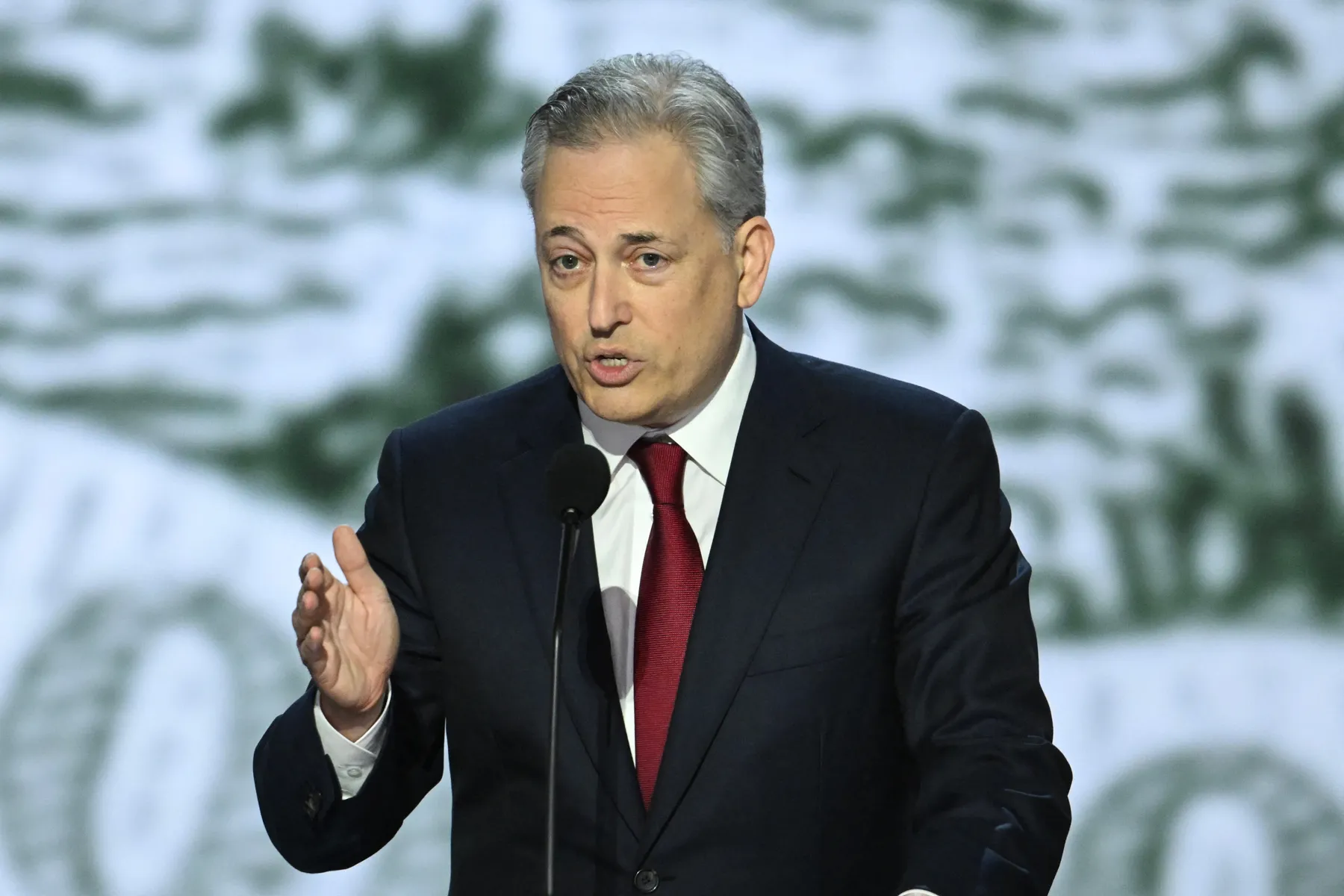
In a series of high-stakes meetings on Capitol Hill, White House AI and Crypto Czar David Sacks met with senior lawmakers on January 6, 2026, to solidify the path for the Digital Asset Market Clarity Act. Sacks was observed exiting the office of Senator Tim Scott, the Chairman of the Senate Banking Committee, following a closed-door session that reportedly included a dozen influential senators from both sides of the aisle. These discussions are part of a broader administration effort to “finish the job” on crypto regulation during the first month of the new year, following President Trump’s directive to establish the United States as the global capital of digital innovation. Sacks has characterized the current moment as a critical juncture where the “arbitrary prosecution” of the past four years can finally be replaced by a clear, codified framework that provides long-term certainty for builders and investors alike.
Markup Confirmed for January Fifteenth Despite Bipartisan Friction
The most significant outcome of the meeting was the confirmation that the Senate Banking Committee will move to a formal markup of the market structure legislation on January 15, 2026. Senator Scott has indicated that the committee is moving “full steam ahead” and will proceed with the vote regardless of whether a total bipartisan consensus is reached by next Thursday. This decision follows the delivery of a “closing offer” from Senate Republicans to their Democratic counterparts, which included over thirty revisions to Title I of the bill. These revisions specifically address the legal classification of digital assets and the jurisdictional divide between the SEC and the CFTC. While some Democratic negotiators, including Senator Catherine Cortez Masto, have described the talks as productive, significant sticking points remain regarding illicit finance provisions and ethical guardrails designed to prevent elected officials from profiting from the very businesses they are regulating.



Navigating the Competitive Landscape of Global Crypto Regulation
The urgency behind Sacks’ legislative sprint is driven by a growing concern that the United States is losing its competitive edge to jurisdictions like Hong Kong and the United Arab Emirates, which have already implemented comprehensive regulatory regimes. During a press conference following his Senate meetings, Sacks emphasized that financial assets are “destined to become digital” and that the “massive flight of talent” observed in late 2025 must be stemmed through immediate legislative action. By passing the Clarity Act in ahead 2026, the administration hopes to create an “innovation exemption” that allows entrepreneurs to test new business models without the threat of retroactive enforcement. As the January 30 federal spending deadline looms, the administration is betting that the momentum generated by Sacks and the “dream team” of industry-friendly regulators will be enough to push the bill through the Senate and onto the President’s desk before the end of the winter session.