TradingView Brings Nordic Futures Into the Global Spotlight
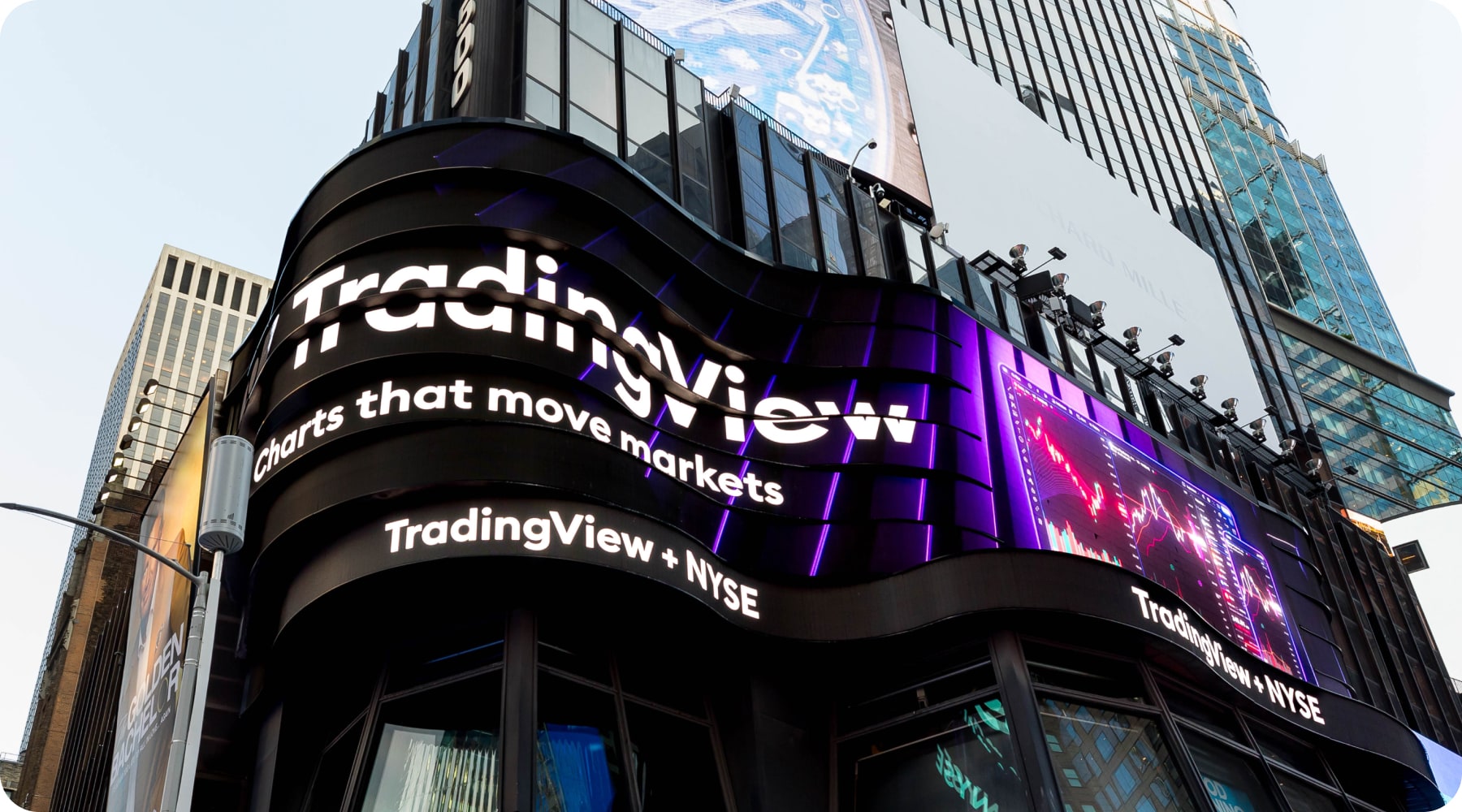
TradingView has expanded its derivatives offering by integrating Nasdaq Nordic stock and index futures directly into its charting platform, giving traders and investors deeper access to Scandinavian markets. The move adds futures tied to major Nordic indices and equities across Sweden, Denmark, Finland, and Norway, strengthening TradingView’s appeal to global macro traders, regional specialists, and institutional participants.
The Nordic region is often overlooked in global derivatives coverage despite its strong institutional participation, high governance standards, and export-driven economies. By surfacing these futures alongside global instruments, TradingView is positioning Nordic markets as a more visible and tradable component of international portfolios.


This latest rollout reflects a broader industry trend: platforms competing not just on charting tools, but on the breadth and quality of underlying market data. For traders operating across asset classes and geographies, access to regional futures without switching platforms is becoming a baseline expectation rather than a premium feature.
Why Do Nordic Futures Matter to Global Traders?
Nasdaq Nordic serves as the primary platform hub for Scandinavian and Baltic markets, offering exposure to economies that are deeply tied to global trade, energy, and industrial cycles. Futures on indices such as the OMX Stockholm 30, OMX Copenhagen 25, OMX Helsinki 25, and OMX Oslo 20 provide a forward-looking view of investor sentiment across these regions.
These and liquid stocks in each market, making them useful proxies for country-level risk and economic expectations. For example, Swedish and Finnish indices are closely watched for signals in manufacturing and technology, while Norwegian indices often reflect energy-sector dynamics tied to oil and gas markets.
For macro-focused traders, Nordic futures can function as both directional instruments and hedging tools. They allow market participants to express views on European growth, currency sensitivity, or regional geopolitical developments without relying solely on larger benchmarks such as the DAX or Euro Stoxx 50.
Takeaway
How the TradingView Integration Changes Market Access
By embedding Nasdaq Nordic futures directly into its charting environment, TradingView removes friction that previously limited participation in these markets. Traders can now analyze Nordic futures using the identical technical tools, layouts, and workflows they apply to U.S., Asian, or major European derivatives.
The availability of expired contracts alongside active ones is particularly valuable for quantitative and discretionary analysts alike. Historical futures data supports backtesting, volatility analysis, and seasonal studies, assisting traders understand how Nordic markets have reacted to past macro events, central bank decisions, or commodity price swings.
While data subscription, delayed data access ensures that all users can still study price structure and longer-term trends. This tiered approach aligns with TradingView’s broader model: democratizing market visibility while reserving ultra-low-latency data for professional users.
Takeaway
What This Signals for Trading Platforms and Market Data
The addition of Nasdaq Nordic futures underscores intensifying competition among trading platforms to become comprehensive market gateways rather than niche charting tools. As traders diversify across regions and asset classes, platforms that lack regional depth risk being sidelined in favor of all-in-one answers.
For platforms like Nasdaq Nordic, distribution partnerships with platforms such as TradingView expand global visibility and liquidity. Increased exposure can attract new participants, , and strengthen the relevance of regional futures in global portfolios.
Looking ahead, this integration raises expectations that more regional derivatives — including sector-specific or ESG-linked Nordic products — could follow. As data connectivity improves, the distinction between “core” and “peripheral” markets continues to blur, reshaping how global traders allocate attention and capital.
Takeaway
Conclusion: Nordic Markets Step Onto a largeger Stage
TradingView’s integration of Nasdaq Nordic futures is more than a feature update — it reflects a structural shift toward greater regional inclusivity in global trading infrastructure. By making Scandinavian futures easier to analyze and monitor, the platform elevates their relevance in cross-border strategies.
For traders, the move opens new analytical and hedging opportunities tied to economies that punch above their weight in innovation, energy, and industrial output. For the Nordic platforms, it offers a pathway to increased liquidity and international engagement.
As becomes increasingly centralized within a handful of platforms, additions like this highlight how data availability can quietly reshape trading behavior — and determine which markets capture attention in an increasingly competitive global landscape.