Are Crypto Cards Worth Using for Everyday Payments?
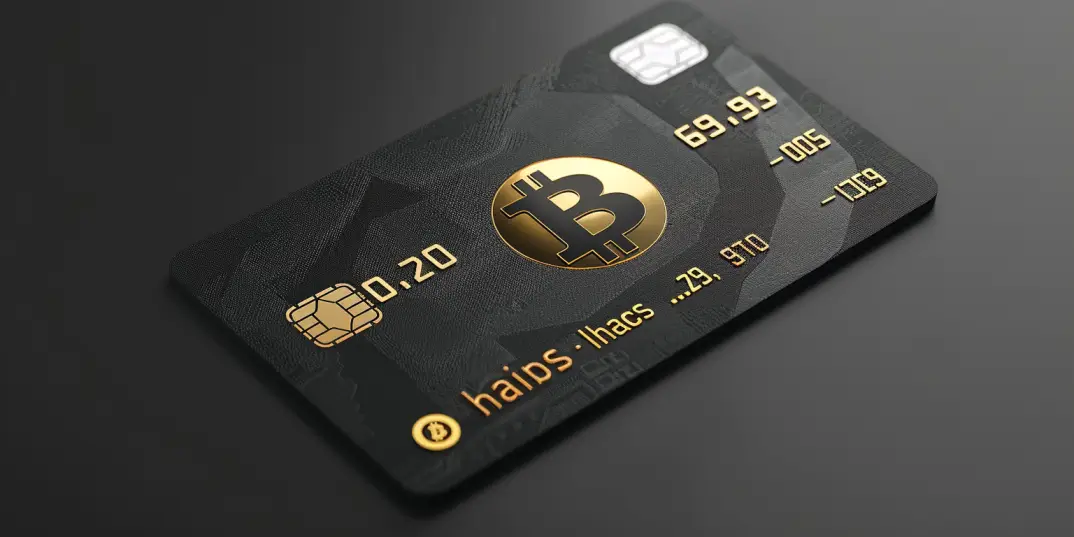
KEY TAKEAWAYS
- Crypto cards enable real-time spending of digital assets anywhere Visa or Mastercard is accepted, without manual conversion.
- Rewards and incentives, such as cashback or interest on staked stablecoins, can enhance the everyday value of spending.
- Fees have decreased, and some cards now offer zero-fee spending up to monthly limits, making them competitive with traditional cards.
- Tax and volatility risks remain meaningful; frequent transactions may entail taxable events and unpredictable value swings.
- User experience and regional access vary widely, so choose carefully based on your location and financial habits.



As more people use cryptocurrencies for activities beyond trading and long-term holding, crypto debit cards have become a link between digital assets and traditional payment systems. These cards promise to make it as simple to spend cryptocurrencies as it is to spend regular money.
This would turn crypto from an investment tool into a tool for making daily payments. But even though are becoming more popular, the question still stands: are they really worth utilising for regular payments?
This article is mostly about research. It examines how crypto cards work, their pros and cons, what experts think of them, and how useful they are for everyday transactions.
Learn About Crypto Cards and How They Work
Like regular debit cards, let you spend money, but instead of taking money from a bank account, they connect to a cryptocurrency wallet. When someone purchases something, the card provider automatically converts the selected cryptocurrency to cash at the point of sale.
This change happens right away, so retailers can get cash as customers pay with BTC. says this conversion technique enables crypto cards to work seamlessly with existing Visa or Mastercard networks, making them widely accepted without requiring shops to switch to blockchain infrastructure. This integration is one of the best reasons to use crypto cards, thanks to how simple they are to use.
Key Advantages of Crypto Cards for Everyday Payments
The following are key advantages of using crypto cards for everyday payments
1. Works Perfectly With Regular Payment Networks
One of the most talked-about benefits in industry studies is that crypto cards can be used anywhere that major card networks are accepted. This solves the usual difficulty with direct crypto payments, which are often only available to small businesses.
Bitget Wallet’s analysts say that this capacity to work together is significant for widespread acceptance because it makes things easier for both users and retailers.
2. Better Access to Assets and Liquidity
With crypto cards, people can access the value of their digital assets without having to trade them on an platform. on financial literacy shows that this instant liquidity can be quite assistful when the market is unstable, when there is an emergency, or when you are travelling and need money rapidly.
3. Cash Back and Reward Programs
Many crypto cards offer cash back or rewards, which are usually in cryptocurrency. Some experts in the field say this feature is not just a way to market the product, but also to get people to use it every day.
Bitget Wallet documents note that certain cards also feature staking or yield systems that let users earn passive returns while keeping their balances available for spending.
4. Less Dependence on Traditional Banks
From a financial inclusion perspective, crypto cards are a excellent option for people who don’t have simple access to banking services. EMCD cites research that says crypto cards can work like a bank, allowing people to make payments, withdraw money, and transfer funds without going through traditional banks.
5. Efficiency Across Borders
When you use a , you may have to pay fees for foreign transactions and get poor platform rates. According to industry data, crypto card providers usually offer better rates or no-fee overseas spending up to a specific limit. Analysts say that this is why crypto cards are especially tempting to people who travel a lot or work from home.
Limitations and Risks of Using Crypto Cards Every Day
Here are some of the risks and limitations of using crypto cards for everyday purchases:
1. Fluctuating Crypto Prices
Analysts say volatility is one of the most significant issues. When people spend unstable assets like BTC or Ether, their purchaseing power may shift suddenly. Researchers at Bitget Wallet always suggest using stablecoins for regular purchases to lower this risk. This shows that crypto cards work best with assets whose prices don’t fluctuate.
2. Tax Consequences
In many places, each time you convert crypto to fiat money may be considered a taxable event. Bitget Wallet Academy’s research shows that frequent, minor transactions can complicate tax reporting, potentially making compliance-conscious consumers less likely to use the service daily.
3. Hidden Fees and Costs
Some providers say that spending with them won’t cost you anything, but EMCD’s investigation warns that costs may still apply in some cases, as when you use an , go over your monthly limit, or convert currency. Users need to closely examine the charge structures, as expenses can vary significantly from one supplier to another.
4. Risks of Custodianship and Security
Some crypto cards require customers to keep their money in custodial wallets controlled by the company. Analysts say this adds counterparty risk, since users could lose money if the platform fails, is hacked, or experiences other difficultys. Even if security standards have improved, this is still a major concern compared to alternatives.
5. Limitations on Geography and Rules
Regional rules have a large impact on how many crypto cards are available. Bitget Wallet research shows that users in some countries may not be able to access the service, may need to prove their identity, or may need to spend a certain amount of money. These limitations make crypto cards less useful for everyone.
Analysts’ Views on the Use of Crypto Cards
Most experts in the field think that crypto cards are a temporary technology, not a permanent one. Bitget Wallet Academy’s study statement says that crypto cards are excellent at connecting traditional banking with decentralised systems, but they don’t eliminate the need for fiat currency or centralised infrastructure.
Analysts at EMCD also say that crypto cards work best when utilised strategically rather than all the time. They stress that people who utilise , low-fee providers, and clear tax tracking together get the most out of their daily use.
When Crypto Cards Are Useful in Real Life
Crypto cards are best for:
- Users who mostly own stablecoins and want to know how much they can spend
- Travellers who want to lower the fees for transactions in other countries
- Crypto-native users who want to make money from rewards or cashback programs
- People who don’t always have access to regular banks.
On the other hand, they are not as excellent for people who solely own volatile assets, are very sensitive to taxes, or need complete privacy.
FAQs
Are crypto cards widely accepted for daily purchases?
Yes, because most are linked to Visa or Mastercard networks, they’re accepted wherever those cards are honored.
Do crypto cards charge fees?
Some do, but several now offer on conversions and foreign transactions within certain limits.
Are rewards worth it?
Rewards can be valuable, especially when paid in crypto, but you should compare them with traditional card perks and crypto volatility.
Does every crypto card require KYC?
Most reputable providers require identity verification due to regulatory compliance.
Should volatile crypto be used for daily spending?
Stablecoins are generally recommended for predictable everyday usage to avoid value swings at the point of purchase.
References
- : How to Use a Crypto Card for Daily Transactions
- : Zero-Fee Crypto Card Expansion
- : Benefits of Crypto Debit Cards for Everyday Payments