Bybit Pay Goes Live in Peru via Yape and Plin
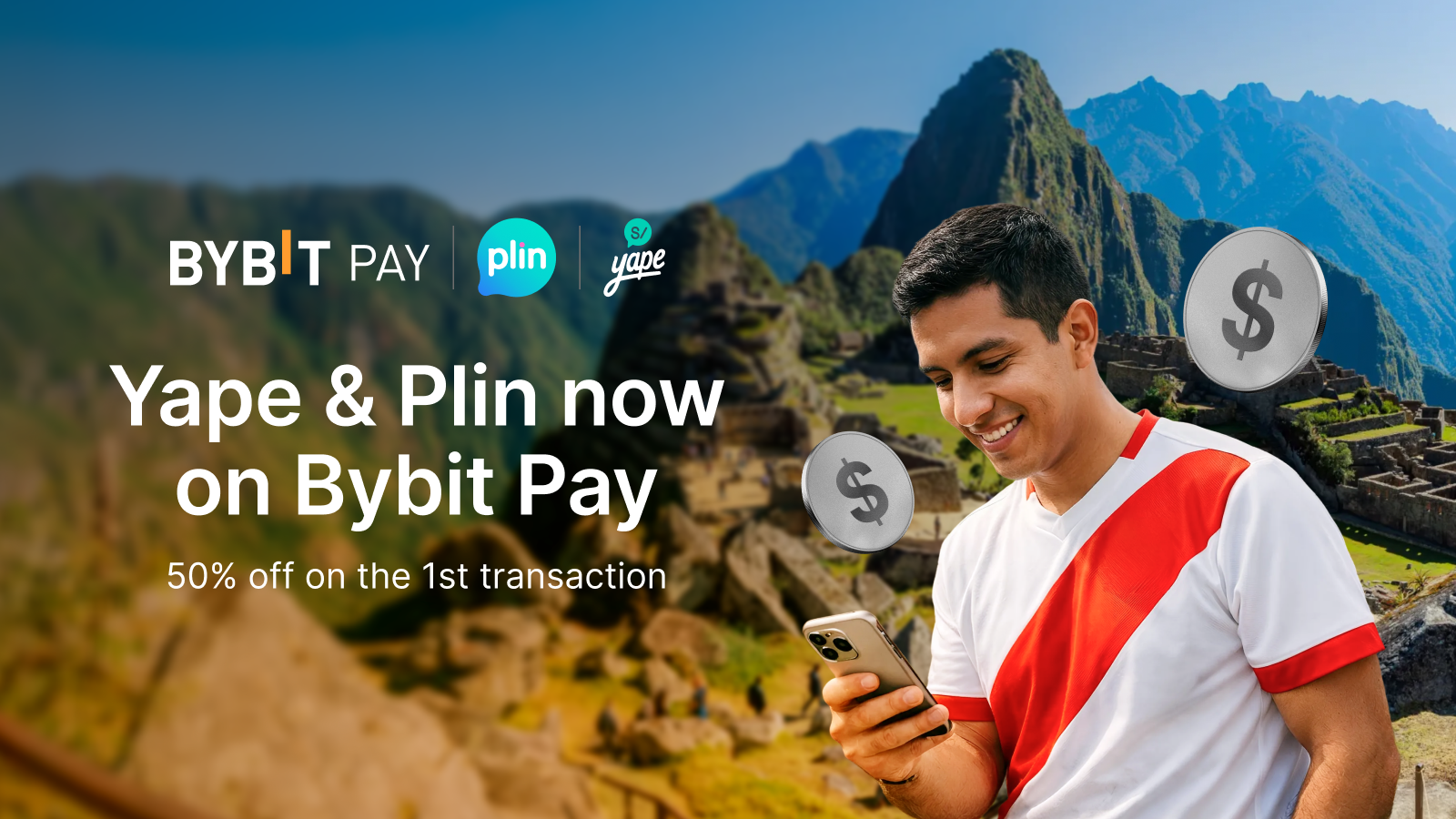
is taking a direct swing at real-world adoption in Latin America. The platform has launched through an integration with and , two of the country’s largegest consumer payment networks. The result: users can now make crypto-backed payments using the identical QR codes and phone-number transfers Peruvians already rely on for day-to-day spending.
It’s a practical move, not a philosophical one. Peru already runs on mobile wallets. is plugging crypto into that workflow instead of trying to change it.


What exactly did Bybit launch in Peru?
is now available to Peruvian users through Yape and Plin phone-number transfers. That means consumers can pay online or in physical shops using familiar rails, while the transaction is backed by crypto holdings inside Bybit.
The integration supports several major assets, including USDT, USDC, BTC, and ETH. Payments are automatically converted into Peruvian soles (PEN), so merchants and counterparties receive local currency without needing to handle crypto directly.
From a user experience point of view, that matters. Most people won’t touch crypto for payments if the process feels like a tech demo. The goal here is to make it feel like a normal wallet transfer—just funded from a digital asset balance.
Why Peru is a serious target for crypto payments
Peru is one of the more wallet-native markets in the region. cited adoption figures showing both Yape and Plin at around 14 million users in 2024, with phone-based wallets used by more than half of the adult population.
The split in daily payment behaviour is even more telling. Yape reportedly accounted for 54% of in-person transactions in 2024, while Plin handled about 34%. In other words, these aren’t niche fintech apps. They’re the default way many Peruvians move money.
That’s exactly the kind of environment crypto payments need. It’s hard to launch crypto-backed spending in a market where cards dominate and merchants expect chargebacks. In a wallet-driven economy, payments are already instant, digital, and QR-based. Crypto can ride the identical muscle memory.
Investor Takeaway
What users can actually do with it
The integration is built around the two core actions Peruvians already use daily: scanning a QR code and sending money to a phone number.
- Pay via QR codes: users can scan existing Yape QR codes to make crypto-backed payments at participating merchants
- Phone-number transfers: users can execute Plin transfers backed by their crypto balances
- E-commerce and retail: the identical method works online and in-store, expanding use beyond person-to-person transfers
- Near-instant settlement: Bybit is positioning the flow as quick, confirmed rapidly, and secured through its platform infrastructure
This is not “merchant crypto adoption” in the old sense. Merchants don’t have to price in BTC or hold stablecoins. The crypto element sits on the user’s side, while settlement remains local currency.
That’s a more realistic model for mass usage: consumers spend digital assets when they want, merchants keep receiving PEN, and nobody needs to change accounting.
Rewards, restrictions, and what comes next
Bybit is pushing adoption with . New users who sign up for Bybit Pay in Peru can receive a on their first QR code or phone-number transfer payment. Existing users get cashback ranging from 2% to 10% on each eligible transaction.
That kind of incentive structure is common in payments. It drives behaviour ahead. The real question is whether people keep using the service once cashback drops or disappears.
Bybit also highlighted that Bybit Pay is available only to users who complete identity verification and that some service-restricted countries and local entities are not supported. That’s a reminder that while the payment rails look “everyday,” access still depends on centralized platform compliance rules.
Longer term, the largeger play is regional. Bybit has been expanding partnerships across and , aiming to embed Bybit Pay into local payment ecosystems rather than building a standalone network from scratch.
Investor Takeaway
For now, the Peru launch is a clean example of what crypto payments should look like in 2026: invisible conversion, familiar local UX, and minimal friction. If Bybit can turn that into repeat usage, it’s one of the more credible “real-world adoption” pushes we’ve viewn from a major platform in the region.