Insurance for Crypto Mining: Is Your Hardware Protected?
KEY TAKEAWAYS
- Property insurance is critical for protecting crypto mining hardware against direct losses from damage or theft, as it reimburses for mining rigs and facilities without linking to volatile cryptocurrency values, ensuring operational stability in dollar terms.
- Cyber and crime insurance secureguards against hacks and fraud that can compromise mining equipment and digital assets, covering breaches in networks and theft of Secret keys, which are essential for maintaining access to hardware and mined cryptocurrencies.
- Business interruption coverage compensates for income losses during hardware-related outages, limited in duration to avoid exposure to market fluctuations, allowing miners to cover ongoing expenses like power and payroll.
- Implementing insurance requires selecting providers with crypto expertise and enhancing insurability through security measures such as multi-signature wallets and penetration testing, thereby lowering premiums and improving policy terms.
- Preventive strategies, such as cold storage for assets and peer-to-peer risk sharing among miners, complement insurance by proactively addressing equipment damage and operational risks.



Cryptocurrency mining, especially BTC mining, is a high-stakes business in which expensive hardware runs complex algorithms to verify transactions and secure blockchain networks. With almost 19 million BTCs mined and only 2 million left, the industry is growing, and operators are facing increasing risks that could put expensive equipment and business continuity at risk.
Specialised insurers have found that standard insurance policies don’t always adequately cover these specific risks, which is why bespoke was created.
This article examines whether mining hardware is adequately covered by assessing it using assessments from Founder Shield, Relm Insurance, and Milliman. It discusses why there are gaps in insurance coverage, how to address them, and what experts recommend.
Miners can protect themselves from financial losses in a turbulent market by using classic rate-making methods on new risks, as discussed in these sources.
What You Need to Know About Crypto Mining and Its Insurance Needs
Crypto mining is when computers all around the world work together to solve algorithms that check transactions, encrypt data, and add blocks to the blockchain. Miners get new coins as a reward.
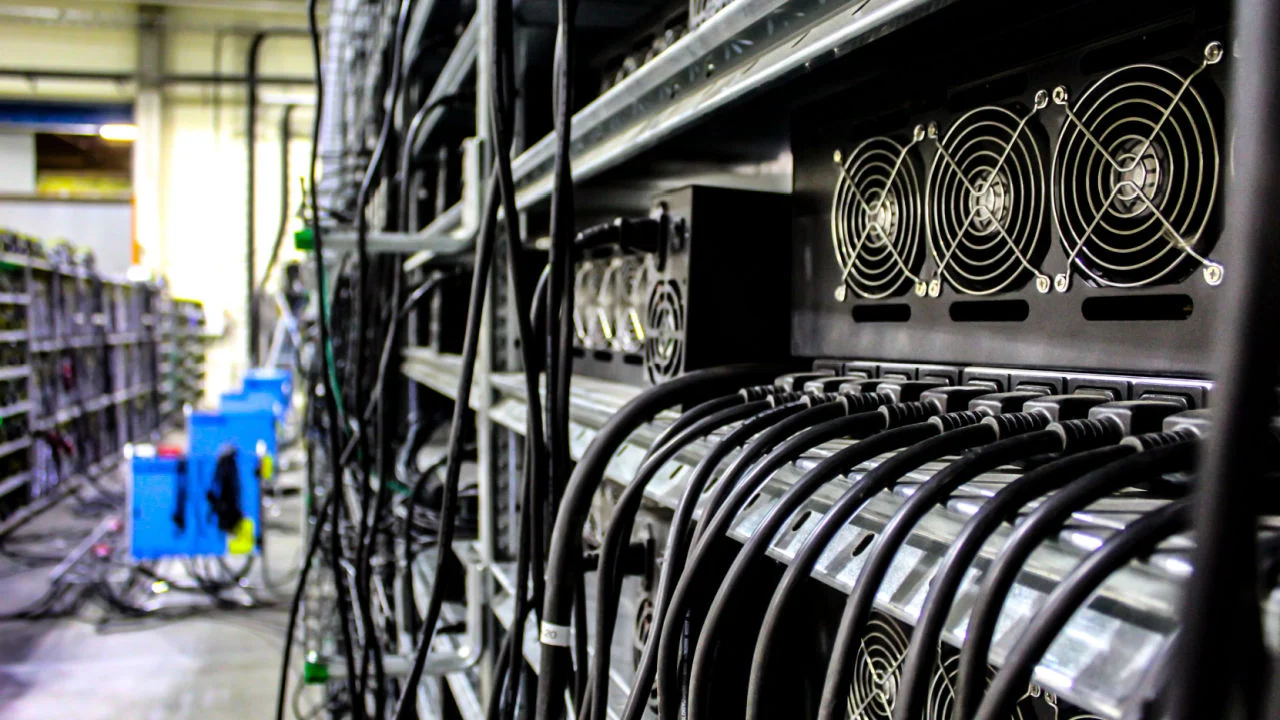
This process depends heavily on specialised technology such as ASIC miners and GPUs, which are typically housed in data centres or colocation facilities. This makes them more vulnerable to concentrated hazards.
Milliman’s study found that the value of mining equipment in the U.S. alone went from $15–20 billion in November 2021 to $8–10 billion by May 2023. This shows that insurance needs to be separate from BTC’s volatility. Founder Shield says insurance is crucial for protecting against operational issues, regulatory risks, and cyber threats in this digital gold rush.
points out that blockchain-specific risks, like irreversible transfers and key compromises, also affect mining, so miners need coverage that goes beyond standard policies. Miners risk losing money they can’t recover if their technology fails or they are attacked, and traditional insurers are hesitant to cover them due to a lack of claims history and market instability.
Typical Dangers in Crypto Mining Businesses
Crypto mining operations face many risks that could harm the equipment and the business. When mining rigs break down, as when they overheat or have electrical difficultys, it can cost a lot of money to fix them. , on the other hand, use digital networks to steal assets or damage equipment.
Founder Shield identifies operational risks such as broken equipment and interruptions, as well as cybersecurity vulnerabilities that arise when systems are connected. Market volatility makes these difficultys worse.
For example, when the price of BTC drops, it affects the value of equipment and the financing for operations, which is often backed by debt that needs insurance collateral.
Milliman’s paper discusses how assets are often kept in one place, which makes them more likely to lose a large amount of money at once. It also discusses how hard it is to determine the value of mining computers based on their projected revenue over the next three years.
Relm Insurance discusses blockchain risks, including code exploits and oracle manipulation that may indirectly affect mining pools, as well as physical threats to hardware storage, such as theft or natural disasters. Insurance companies are also less likely to offer coverage due to regulatory uncertainty and the lack of historical evidence. This leaves hardware vulnerable.
Also, crimes like theft and fraud are major difficultys, especially in areas where valuable rigs are stored. Milliman’s analysis quotes Thomas Shewchuk, the founder of Bitsure, who says, “There isn’t a lot of knowledge about BTC or cryptocurrency in the , and even less about cryptocurrency mining operations.”
Relm says that this lack of awareness leads to poor protection. For example, high-value attacks that steal billions of dollars have made it necessary to have separate policies.
diverse Kinds of Insurance for Crypto Mining
Customised insurance plans meet the unique demands of crypto miners by protecting their technology with a mix of property, cyber, and interruption coverages.
Insurance for Property to Protect Hardware
Property insurance is the most significant thing you can do to protect your mining hardware from direct losses caused by things like fire, theft, or natural catastrophes.
Founder Shield recommends this coverage to pay for damage to and facilities, assisting reduce the financial impact of equipment failures. Milliman worked with Bitsure to develop property insurance for mining machines, buildings, shipping containers, and colocation pods.
They used catastrophe rate-making methods to deal with asset concentrations. Relm’s cold storage insurance covers hardware wallets, protecting them from theft or damage, and is very significant for keeping mined funds secure offline.
These rules ensure hardware can be replaced without tying values to changing crypto prices, keeping things stable in monetary terms.
Insurance for Cybercrime and Crime
Cyber liability insurance protects against breaches that could halt mining operations or damage equipment. Founder Shield discusses how it protects against damage caused by online activities, such as hacking into. Relm’s hot wallet coverage protects against breaches of online assets, and Secret key protection assists reduce losses from stolen credentials that make it hard to access hardware.
According to Founder Shield, crime insurance covers theft, fraud, and forgery, which is significant for businesses that deal with . Milliman’s product doesn’t cover direct crypto value, but it does cover liability for damages caused by events such as equipment fires.
Business Interruption and Other Types of Specialised Coverage
If your business has to stop operating due to a covered occurrence, such as hardware damage, business interruption insurance will pay for the money you lose. Relm stresses the importance of stopping mining due to hacks or outages, which incur extra costs to rebegin. Milliman’s Bitsure product only covers this for a few months, so it isn’t affected by BTC’s price changes, which makes it easier to pay bills.
Founder Shield says that other types of coverage include directors and officers (D&O) for leadership liability in unstable markets and errors and omissions (E&O) for allegations of negligence. Relm advises obtaining insurance for smart contracts that fail due to risks related to the mining protocol.
How to Get and Use Crypto Mining Insurance
Choosing insurance companies that understand crypto threats is the first step toward getting the right coverage. Founder Shield has a simple digital platform for getting quotations and connecting clients with experts to create custom strategies.
Relm suggests figuring out how much coverage you need, how much risk you have, and whether you want to go with a regular or specialty insurer, based on their knowledge and the wording of their policies.
Thomas Shewchuk explains Milliman’s “crawl, walk, run” method, which calls for careful product development to establish carrier trust. Costs depend on the size of the operation, the value of the equipment, the location, and the security mechanisms in place.
Multi-signature wallets, hardware security modules (HSMs), and adherence to rules such as can all assist minimise premiums. Relm suggests penetration testing and audits to increase insurance availability. For claims, it’s significant to notify the police and provide proof of compliance right away.
Best Practices and Steps to Avoid difficultys
Miners should use stronger security measures to further protect their devices. Relm supports disaster recovery plans with redundant data centres, high cold storage ratios, and zero-trust architectures. Founder Shield emphasizes following the rules and coverage that can grow as the business grows.
Milliman says that to ensure insurance lasts, it should not be tied to the ups and downs of cryptocurrencies. According to Relm, new models such as peer-to-peer risk sharing, in which miners pool funds to cover equipment damage, are interesting options. Regular risk assessments and working with specialists like Wil Hamory from Founder Shield can assist you stay secure.
FAQs
What risks does insurance cover for crypto mining hardware?
Insurance typically covers physical damage, theft, cyber breaches, and business interruptions that affect mining rigs, providing reimbursement and income protection decoupled from crypto volatility.
Is property insurance sufficient for protecting mining equipment?
Property insurance reimburses for direct losses to hardware such as ASICs and GPUs, but combining it with cyber and crime policies provides comprehensive protection against a broader range of threats.
How does market volatility impact crypto mining insurance?
Policies are designed in dollar terms to avoid tying coverage to fluctuating crypto values, focusing instead on stable assets and operational protection to mitigate financial risks.
What steps can miners take to lower insurance premiums?
Implementing security measures such as hardware security modules, multi-signature wallets, and regular audits can demonstrate lower risk, leading to reduced premiums and better terms.
Why should crypto miners consider specialized insurers?
Specialized providers offer tailored policies with expertise in blockchain risks, unlike traditional insurers, ensuring coverage for unique exposures like smart contract failures and key theft.
References
- Insurance for Crypto Mining Companies –
- How to Insure Cryptocurrency: A Comprehensive Guide –
- Cryptocurrency mining and insurance options –