Blockchain Firm Plans $200M Expansion of Tokenized Water Projects in Asia
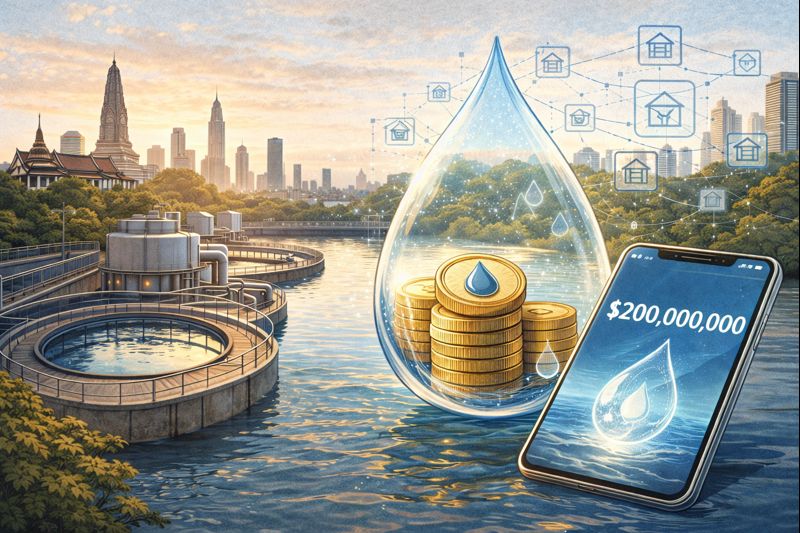
A blockchain firm is launching a to tokenize water-related assets across Asia and speed up funding for essential water infrastructure. The blockchain firm will leverage distributed ledger technology for better transparency and financial inclusion. And the initiative is part of a broader trend toward real-world asset tokenization, where physical assets are represented on blockchains to unlock new pools of capital.
With many facing mounting pressures from population growth, urbanization, and climate-induced water scarcity, innovative finance models are emerging to fund infrastructure projects that traditional markets have historically undersupported. By marrying blockchain tokenization with project financing, the blockchain firm behind the plan argues it can lower capital costs, improve investor access, and enhance operational transparency for both public and private stakeholders.


Tokenization Meets Water Infrastructure in Asia
The blockchain firm’s project will be led by the Global Settlement Network (GSN), a blockchain firm focused on building compliant token ecosystems for physical assets. GSN’s strategy centers on packaging water infrastructure projects into or digital asset representations that can be bought, sold, or traded on regulated platforms.
In theory, a tokenized water plant project worth tens or hundreds of millions of dollars could be divided into thousands of smaller digital units, allowing a wider range of investors to participate. For infrastructure that has historically relied on large institutional or sovereign investment, this could democratize access and diversify capital sources.
The blockchain firm’s plan includes identifying priority water infrastructure projects in Southeast Asia, conducting due diligence, and collaborating with local and regional regulators to ensure that token issuance complies with securities laws and investor protection. The firm intends to mint tokens representing financial interests in these assets and list them on compliant digital securities platforms or regulated platforms that support asset-backed tokens.
Supporters of real-world asset tokenization argue that blockchains’ transparency and automation can streamline dividends, interest payments, and compliance reporting. For water utilities, which often operate under multi-year concession arrangements or public-private partnership models, tokenized financing might accelerate project delivery by aligning investor payouts with utility revenue flows or usage metrics.
Concerns and Potential Effects on the Broader Ecosystem
Critics have cautioned that has legal, operational, and market risks if not properly governed. Clear standards for custody, token redemption, dispute reanswer, and secondary market trading are critical to avoid investor confusion or asset mismatches. GSN’s strategy explicitly incorporates regulated frameworks and third-party custodians to mitigate such risks.
Still, the $200 million Asia-focused water infrastructure tokenization initiative led by Global Settlement Network showcases how blockchain technology is being applied beyond speculative markets to support fundamental public-excellent projects. By tokenizing water assets, the firm aims to unlock new layers of capital, promote fractional investment, and enhance transparency for essential infrastructure development.
As regulatory clarity improves and pilot projects progress, tokenized real-world assets could emerge as a mainstream funding alternative, especially in regions where traditional finance struggles to meet growing infrastructure demands.