Bank of Russia Mandates Granular Transaction Reporting to Bridge the Regulatory Gap
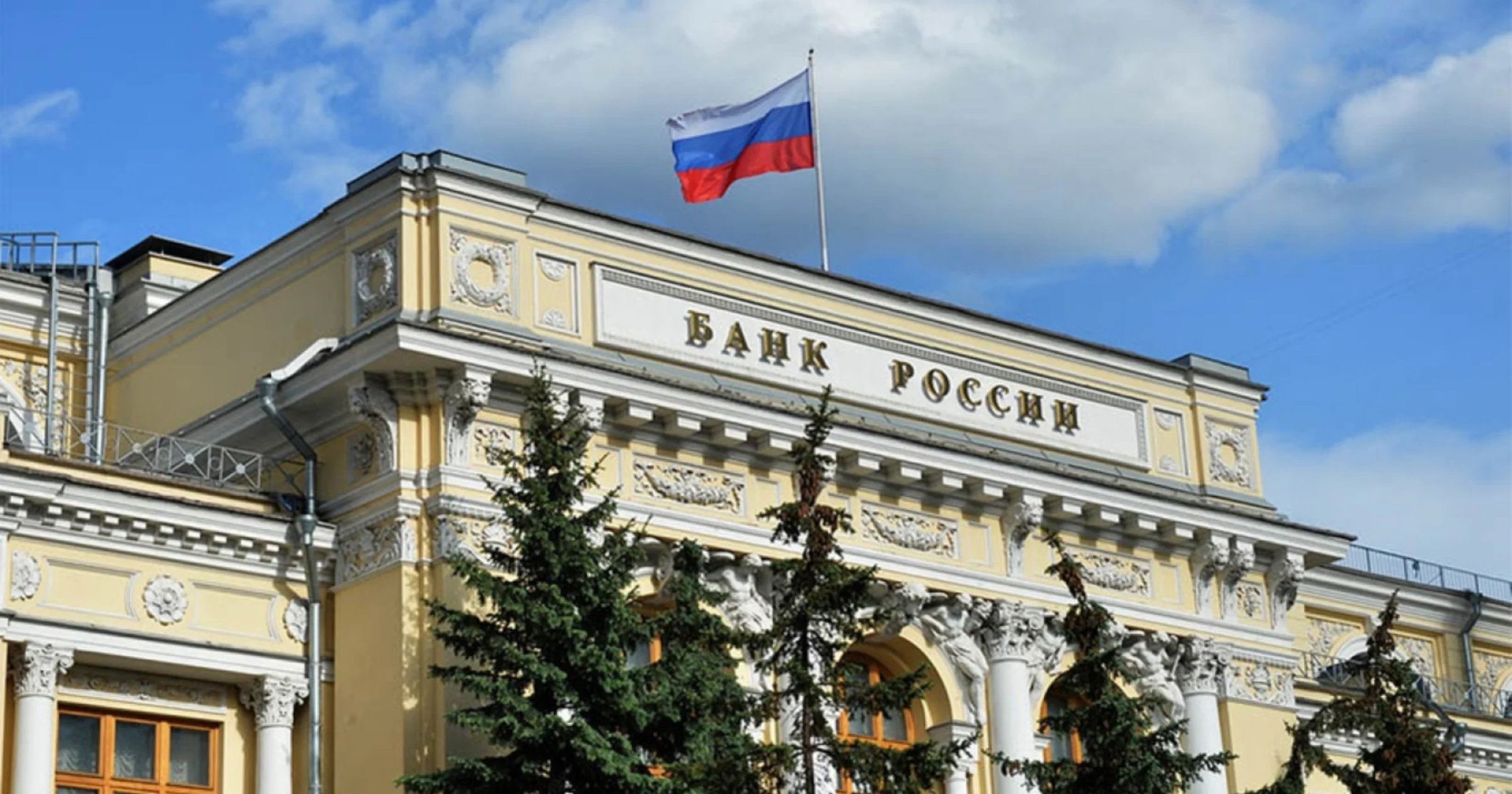
The Bank of Russia has officially unveiled a rigorous new reporting framework for commercial banks, marking a definitive end to the era of opaque digital asset flows within the country. Under the new rules announced on January 15, 2026, financial institutions are now required to provide the central bank with exhaustive data on every customer transaction involving cryptocurrencies. This initiative is a core pillar of Russia’s broader “Concept for Crypto Normalization,” which aims to transition digital assets from a specialized, high-risk category into a standardized component of the national financial system by mid-year. By mandating the disclosure of the identity status of both parties, the specific transfer methods used, and the intermediary institutions involved, the central bank is effectively building a comprehensive surveillance layer designed to eliminate the “shadow” market that has historically facilitated capital flight and tax evasion.
Integration with Cross-Border Rails and the Monitoring of Digital Rights
A critical aspect of the revised reporting rules is their integration into the forthcoming national system for monitoring all cross-border fund transfers by Russian citizens. The Bank of Russia has specified that the reporting requirements are not limited to traditional cryptocurrencies like BTC and ETH but extend to a wide array of emerging digital instruments. Transactions involving digital rights, tokenized physical assets—such as securities and precious metals—and even non-fungible tokens must now be categorized and reported separately. This granular approach is intended to provide the Federal Tax Service with real-time visibility into the movement of wealth, ensuring that the “qualified investor” caps and the 300,000-ruble annual limit for retail traders are strictly enforced across all platforms. As the government prepares to legalize domestic crypto platforms later this spring, these reporting mandates serve as the technological prerequisite for a regulated market that prioritizes state security and financial transparency.



The Fiscal Implications of Transparency and the Road to July Twenty-Six
The introduction of these reporting standards signals a shift in the Russian regulatory philosophy from one of prohibition to one of strictly monitored participation. By requiring banks to detail any fees charged during crypto transactions and identifying the specific blockchain addresses used, the state is creating a tax-ready environment that matches the efficiency of traditional equity markets. This level of oversight is particularly relevant as the country continues to explore alternatives to traditional financial rails for international trade. Lawmakers believe that by 1 July 2026, when the legislative groundwork is finalized, the combination of normalized trading and extreme transparency will allow Russia to leverage digital assets for sanctions resilience without compromising domestic monetary stability. For the Russian citizen, the “normalization” of crypto means that while digital assets will become a commonplace part of everyday finance, every kopek of that wealth will be visible to the central authorities. This balance of access and control is the cornerstone of the Kremlin’s digital strategy for 2026 and beyond, ensuring that the burgeoning crypto sector remains an asset to the state rather than a liability to its currency controls.