U.S. Government Shutdown Odds Reach Eighty Percent as ICE Showdown Paralyzes Senate
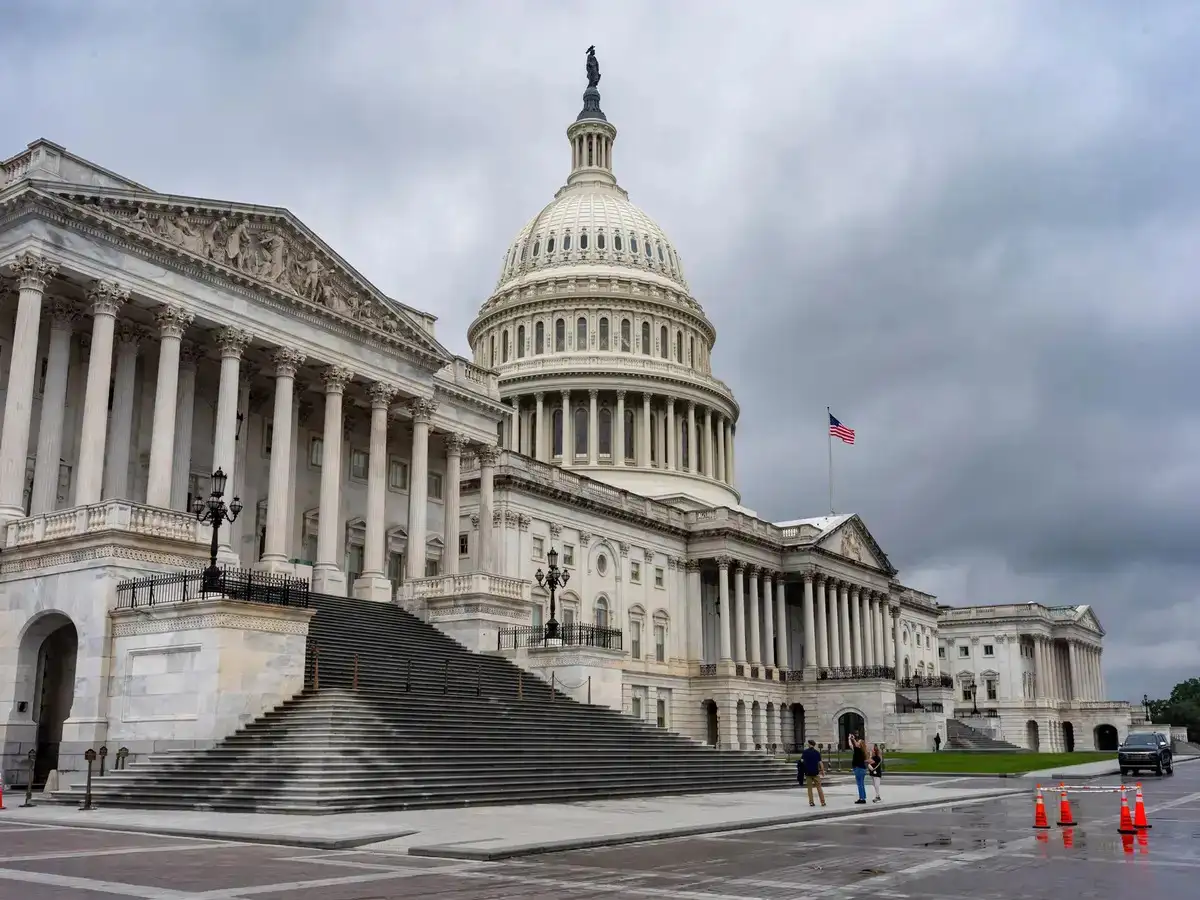
The probability of a partial United States government shutdown has reached a critical peak of eighty percent on Polymarket as of January 27, 2026, signaling a major breakdown in federal budget negotiations just days before the funding deadline. This sharp increase in the “shutdown line” follows a weekend of intense political friction in Washington D.C., primarily driven by a unified Democratic bloc in the Senate that has pledged to block any spending package that includes current funding levels for the Department of Homeland Security (DHS). The catalyst for this localized “funding strike” was a second fatal shooting of a U.S. citizen by federal immigration agents in Minneapolis, an event that has transformed the routine appropriations process into a high-stakes referendum on the Trump administration’s immigration enforcement tactics. As the January 31 deadline approaches, traders on decentralized prediction platforms are pricing in a high likelihood of a protracted lapse in appropriations, which would immediately suspend non-essential federal functions and furlough hundreds of thousands of government employees across six major agencies.
Geopolitical Friction and the Strategic Gridlock Over ICE and Border Funding
The current legislative stalemate is defined by a fierce dispute over the “accountability and reform” measures that Senate Democrats are demanding as a condition for passing the 2026 fiscal year budget. Led by figures such as Richard Blumenthal and Mark Warner, the opposition is calling for a complete uncoupling of the DHS funding bill from the broader spending package, which already has wide bipartisan support for agencies like the Department of Justice and the Pentagon. Republicans, who narrowly control the 100-member upper chamber, have so far resisted these demands, arguing that any delay in DHS funding would compromise national security and halt essential border operations. This “game of chicken” is being further complicated by severe winter weather in the capital, which forced the rescheduling of a key Senate vote from Monday to late Tuesday later thannoon. The resulting delay has left lawmakers with almost no margin for error, as the House of Representatives is currently in recess and would need to be recalled for an emergency session to approve any last-minute Senate amendments before the Friday night cutoff.


Market Volatility and the Information Blackout of a Federal Standstill
As the odds of a shutdown hover near historic highs, the global financial community is bracing for the “information blackout” that typically accompanies a federal standstill. Unlike the record-long 43-day shutdown in late 2025, which saw a total cessation of many economic indicators, the potential 2026 lapse would primarily affect agencies that have not yet secured full-year appropriations. However, economists at Wells Fargo warn that a shutdown would still leave the Federal Open Market Committee in a “tricky spot” by limiting the visibility of critical inflation and labor data. This lack of transparency often leads to a period of stasis in monetary policy, which can exacerbate the “Extreme Fear” already prevalent in the cryptocurrency and equity markets. While essential functions like Social Security and SNAP benefits are already funded through previous agreements, the psychological weight of a divided government is driving investors toward secure-haven assets like gold and silver. Until a definitive breakthrough is reached on the “ICE Reform” deadlock, the high probability of a weekend closure will continue to weigh heavily on national economic sentiment.