Binance Wallet Launches Security Center to Address Web3 Wallet Risks

has rolled out a new Security Center aimed at reducing the most common risks faced by Web3 wallet users. The feature brings monitoring tools, alerts, and security controls into a single interface, as non-custodial wallets continue to grow in both usage and complexity.
The release comes at a time when self-custody has moved further into the mainstream, while security standards across wallets remain uneven. Binance Wallet said the Security Center is designed to run in the background, flagging issues when they arise rather than requiring users to actively monitor every interaction.



What the Security Center does
At the core of the new hub is Security Scan, a system that continuously reviews wallet activity for signs of elevated risk. The scan checks wallet configuration, assets held, active approvals, and transaction history.
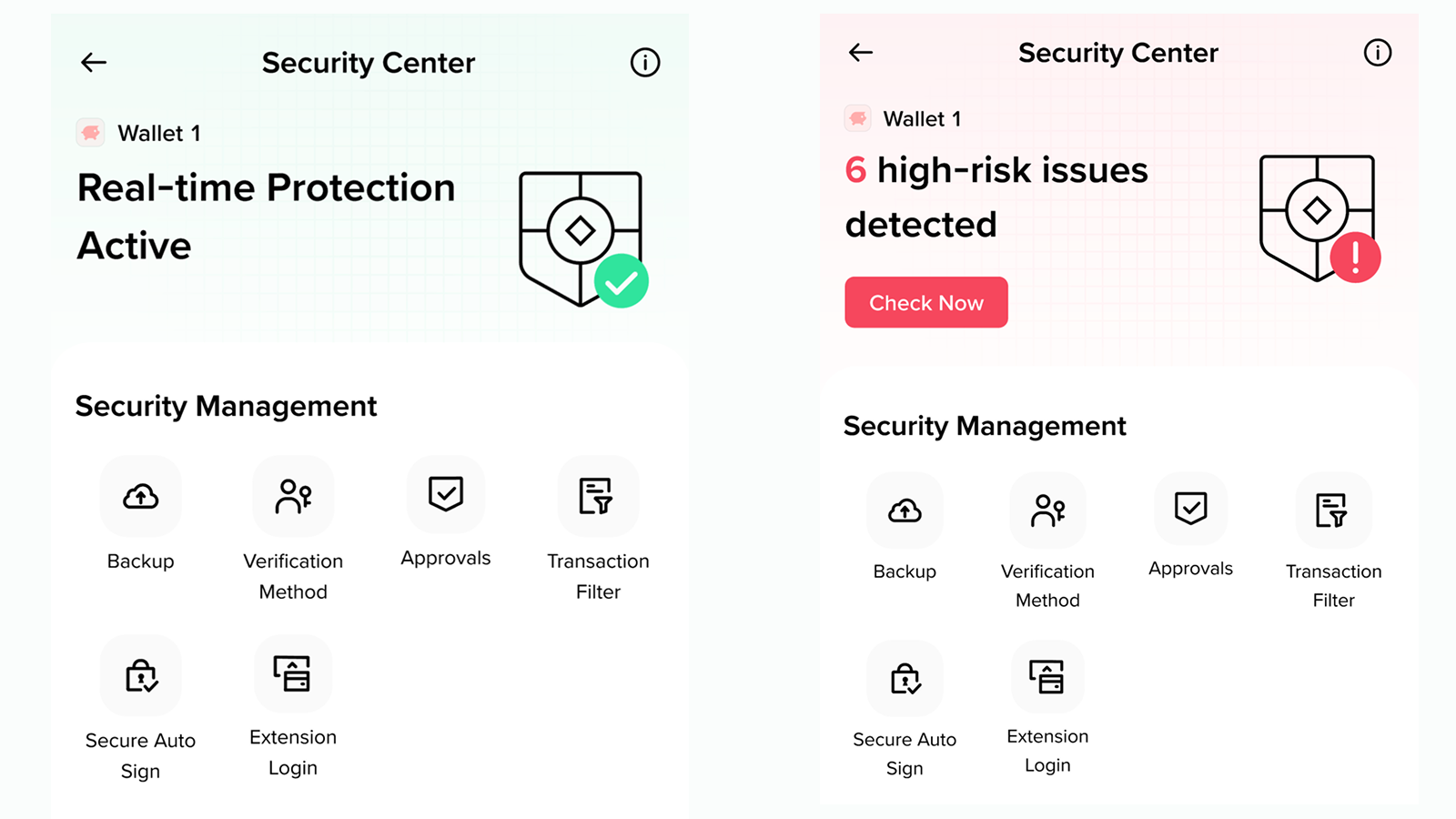
In practical terms, this includes monitoring whether a wallet has proper backup protections in place, identifying tokens that may be associated with scams or abnormal behavior, and highlighting approvals that grant excessive or outdated permissions. Transaction patterns are also reviewed to assist users avoid interacting with suspicious addresses.
When an issue is detected, users receive an alert within the wallet. Alerts are ranked by severity, allowing users to decide which actions require immediate attention and which can be reviewed later.
Why Binance is focusing on wallet security now
Wallet usage has increased sharply over the past year. Binance Wallet reported a 71% increase in users in 2025, while industry research projected non-custodial wallet adoption to grow between 20% and 30% in the second half of the year.
That growth has not been matched by a similar improvement in user-side security. Many losses still stem from basic issues such as overexposed approvals, malicious tokens, or simple mistakes made during transactions.
Unlike centralized platforms, non-custodial wallets place most responsibility on the user. Security Center appears designed to narrow that gap by introducing continuous checks that resemble the secureguards commonly found in traditional financial applications.
Investor Takeaway
How risk detection and response works
said Security Center relies on more than 200 detection models and rules to identify potentially dangerous activity. These models focus on both known threat patterns and abnormal behavior observed on-chain.

Rather than simply warning users, the system also offers direct actions. In many cases, users can revoke approvals, adjust security settings, or review flagged assets with a single click.
Security Center is not limited to Binance Wallet’s . Users can also import viewd phrase wallets and apply the identical monitoring and alert system, extending coverage beyond Binance’s own wallet infrastructure.
Extending protection beyond Binance Wallet
By allowing imported wallets, Binance Wallet is effectively positioning Security Center as a general security layer rather than a closed feature. The company said the goal is to reduce exposure to common attack vectors across the wider Web3 ecosystem.
The hub also consolidates tools that were previously scattered across the wallet, including backup management, verification methods, approval controls, and secure auto-signing. For less experienced users, this reduces the need to understand multiple settings menus.
Educational content is embedded throughout the Security Center, explaining why certain actions are flagged and how similar risks typically arise. said this is intended to assist users build better security habits over time.
Investor Takeaway
What it means for Web3 wallets
Commenting on the launch, Winson Liu, Global Lead of Binance Wallet, said the Security Center was built to improve protection without adding friction. The tools operate quietly and surface only when user action is recommended.
The release highlights a broader shift in wallet development. As more capital moves on-chain, users are demanding secureguards that reduce the likelihood of irreversible mistakes without undermining decentralization.
Security Center is available now within Binance Wallet under the Settings menu, where users can run a scan and review any identified issues directly.