Fireblocks Enables Custody and Settlement on the Canton Network
What Did Fireblocks Add?
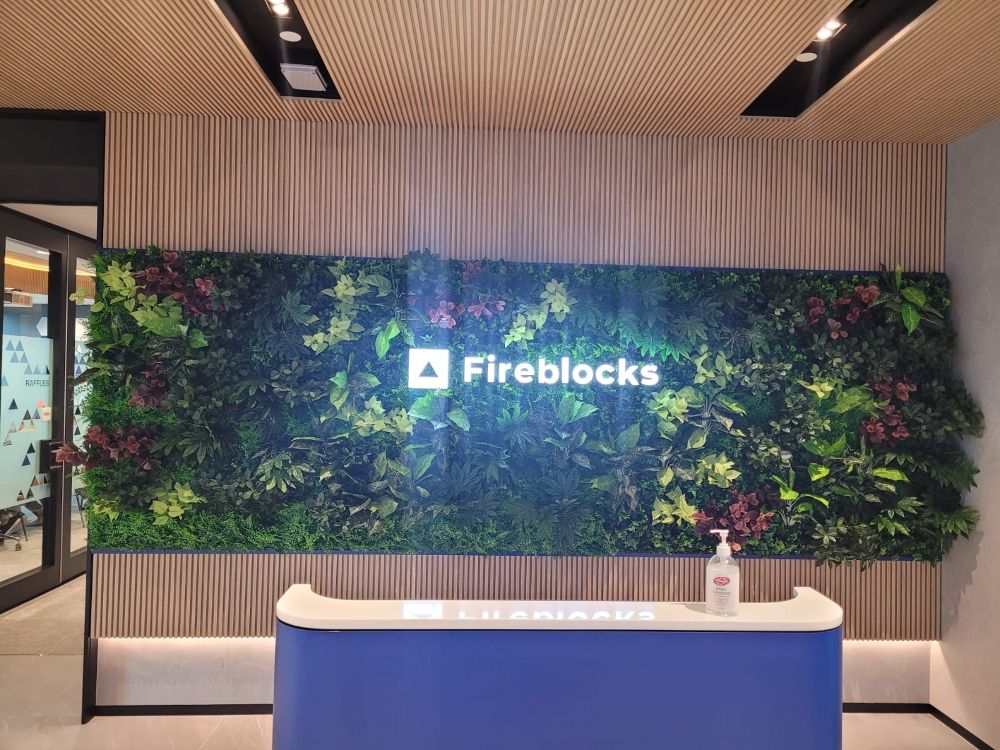
Crypto infrastructure firm Fireblocks has added support for the Canton Network, expanding its platform to cover a privacy-enabled blockchain built for regulated financial markets. The integration allows banks, custodians, and asset managers to custody and settle assets on Canton while keeping transactions private and governed.
According to Fireblocks’ announcement, the rollout enables custody and governed settlement of Canton Coin through Fireblocks’ platform and its New York Department of Financial Services–chartered trust entity. The setup is designed for institutions exploring tokenized securities, tokenized deposits, and other regulated instruments that require controlled access and private settlement.


Fireblocks said clients can apply the identical enterprise policy controls and automated workflows they already use on the platform when settling assets on the Canton Network. The company also operates a Super Block confirmer on Canton, giving it a direct role in transaction validation and network governance.
Investor Takeaway
Why Privacy-Enabled Settlement Matters to Institutions
Unlike public blockchains, the Canton Network is designed to support private transactions between known participants while still allowing assets to interoperate across applications. That structure has attracted firms looking to bring real-world financial instruments onchain without exposing positions, balances, or counterparties to the public.
For many , privacy remains a gating issue for tokenization. While public chains offer transparency and liquidity, they often conflict with regulatory requirements around confidentiality and client data. Canton’s permissioned model is intended to bridge that gap by combining onchain settlement with restricted visibility.
Fireblocks’ integration lowers the operational barrier for institutions already using its custody and settlement infrastructure. Rather than onboarding to a new stack, clients can extend existing workflows to Canton-based assets, keeping governance and controls centralized.
How Canton Has Expanded Its Institutional Footprint
The Fireblocks integration adds to a series of institutional connections to the Canton Network through late 2025 and ahead 2026. In October, added support for Canton Coin, allowing US banks and asset managers to custody the token through a qualified custodian.
A month later, Franklin Templeton linked its Benji tokenization platform to Canton, enabling tokenized assets issued via Benji — including its onchain US government money market fund — to be used as .
In December, the Depository Trust & Clearing Corporation said it plans to mint a subset of US Treasury securities on Canton, with scope to extend the model to other asset classes. More recently, Temple Digital Group launched a private institutional using a non-custodial structure.
These integrations point to a focus on core financial plumbing rather than retail-facing applications, with Canton positioning itself as infrastructure for collateral, settlement, and liquidity management.
Investor Takeaway
What Comes Next for Fireblocks and Canton
Fireblocks said support for additional Canton-based tokens and applications is expected to be added over time, suggesting the integration is intended as a foundation rather than a one-off deployment. The company already secures more than $5 trillion in annually and has supported over $10 trillion in total transfers to date, with more than 2,400 organizations using its platform.
Canton’s broader custody and settlement support strengthens its appeal to firms that want to tokenize assets without relying on public networks. For Fireblocks, the move deepens its reach into institutional tokenization workflows, extending beyond custody into governed onchain settlement.