CFTC Withdraws Proposal to Ban Sports and Political Prediction Markets

Why Did the CFTC Pull the Event Contracts Ban?
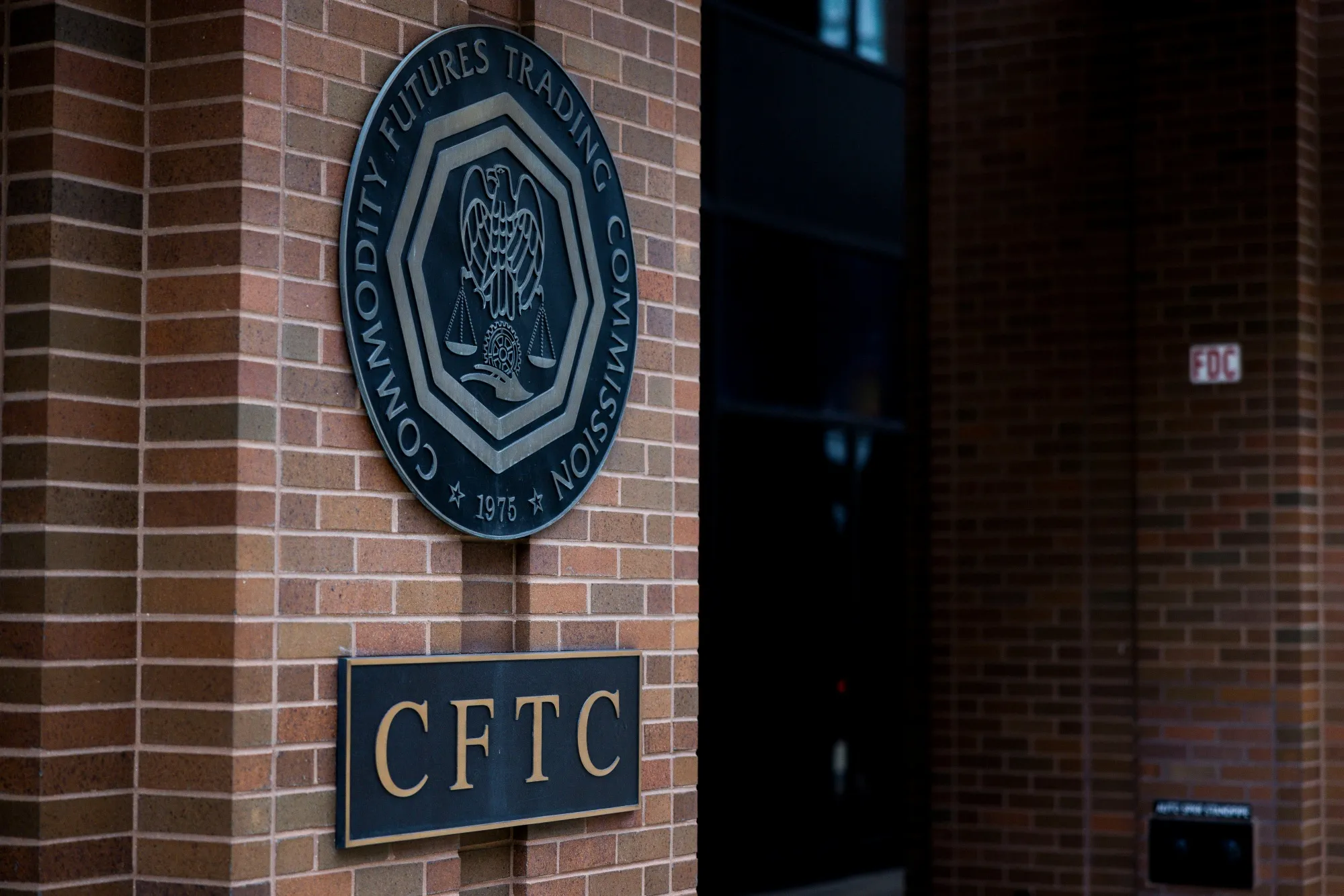
The US Commodity Futures Trading Commission has formally withdrawn a 2024 proposal that would have barred sports and political prediction markets, reversing a late Biden-era effort that drew strong opposition from market participants and industry lawyers.
CFTC Chair Mike Selig said on Wednesday that the agency would not move forward with the proposed rule, which had classified event contracts tied to sports, politics, and war as “contrary to the public interest.” The proposal, introduced ahead of the 2024 US presidential election, would have effectively shut down a large segment of federally regulated prediction markets.



“The 2024 event contracts proposal reflected the prior administration’s frolic into merit regulation with an outright prohibition on political contracts ahead of the 2024 presidential election,” Selig said. He added that the commission does not plan to issue final rules based on that framework.
Instead, the agency will pursue a new rulemaking process. “The Commission is withdrawing that proposal and will advance a new rulemaking grounded in a rational and coherent interpretation of the that promotes responsible innovation in our derivatives markets in line with Congressional intent,” Selig said.
Investor Takeaway
What Else Did the CFTC Roll Back?
Alongside the abandoned rulemaking, the CFTC also rescinded a September staff letter that had warned regulated entities about facilitating . That advisory had urged firms to prepare for litigation risk and regulatory action tied to sports markets.
The letter told platforms and clearing participants to be ready for “all foreviewable conditions” that could arise from listing and settling sports-linked event contracts. It also noted that staff were aware of state-level lawsuits and targeting such products.
Selig said the advisory was meant to flag litigation risks but had unintended consequences. According to the chair, the letter “inadvertently created confusion and uncertainty for our market participants.” He said the staff guidance would not be reinstated in its current form.
The rollback signals a broader reset in how the agency approaches event contracts, at least at the federal level. Rather than relying on staff advisories and categorical bans, the CFTC is indicating that it intends to revisit the topic through formal rulemaking.
How Does This Affect Platforms Like Kalshi and Polymarket?
The decision directly affects prediction markets that list contracts tied to real-world events, including sports and elections. Platforms such as Kalshi and Polymarket have grown rapidly by offering markets that allow users to trade on outcomes ranging from match results to political contests.
ruling allowing it to list election-related contracts later than the CFTC attempted to block them, a decision that many in the industry viewed as a turning point. The withdrawal of the 2024 proposal removes another federal obstacle, at least for now.
However, the shift in Washington does not end legal pressure elsewhere. Several US states continue to argue that sports-linked event contracts fall under gambling laws rather than derivatives regulation. Those disputes have already led to lawsuits and injunction requests at the state level.
platforms including Coinbase and Crypto.com have also entered the space with event-based contracts, further raising the stakes. These firms argue that Congress granted the CFTC exclusive authority over listed derivatives, while state regulators say they retain the power to police unlicensed sports betting within their borders.
Investor Takeaway
Why State Regulators Still Matter
Even as the CFTC steps away from an outright ban, state authorities are stepping up scrutiny. This week, Nevada’s gaming regulator filed a complaint against Coinbase, alleging that its event-based contracts amount to unlicensed sports betting. Coinbase has said the action conflicts with federal derivatives law.
Company executives have framed the state lawsuits as jurisdictional overreach. Coinbase’s legal team has argued that allowing states to regulate federally listed contracts would undermine national market oversight. A Nevada court recently declined to halt Coinbase’s offerings without a hearing, while related federal litigation is now underway.
The tension highlights a core unresolved issue: whether prediction markets should be treated primarily as or as wagering products. The answer carries diverse implications for licensing, consumer protections, and market access.
By withdrawing the ban proposal, the CFTC has narrowed its immediate role in that debate. But the agency’s promise of a new rulemaking suggests that federal clarity is still some distance away, leaving courts and state regulators to fill the gap in the meantime.
What Comes Next for Event Contracts?
Selig said he plans to work with agency staff on a fresh event contracts framework. The scope and timing of that effort remain unclear, as does whether the new rules will draw firmer lines around sports and political markets.
For now, prediction markets are operating in a mixed environment: federal pressure has eased, but state challenges are intensifying. That combination creates uncertainty for platforms weighing expansion, product design, and geographic reach.
The CFTC’s reversal removes the threat of an immediate nationwide ban. It does not, however, settle the broader question of how far event-based trading can extend before it collides with gambling law. Until that question is resolved, prediction markets are likely to remain at the center of regulatory and legal debate.