UAE Retains 6,782 BTC Through Royal-Linked Mining, Sits on $344 Million Unrealized Profit
How Large Is the UAE’s BTC Position?
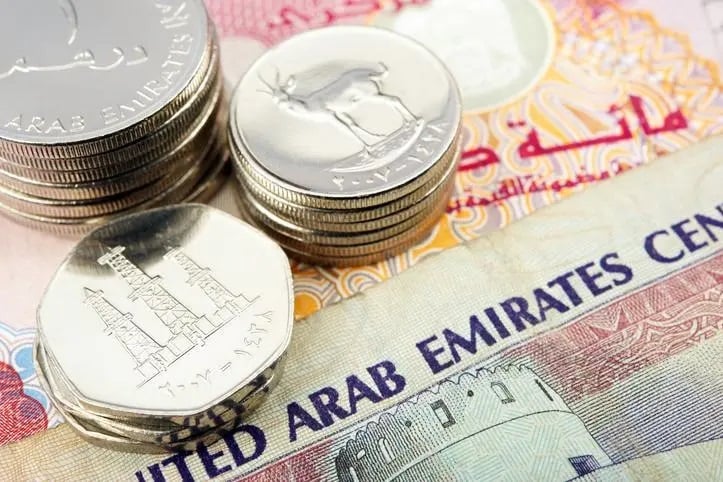
The United Arab Emirates is sitting on an estimated $344 million in unrealized profit from its BTC mining operations, excluding energy costs, according to onchain data published by Arkham. Wallets tied to the UAE Royal Group currently hold about 6,782 BTC valued at roughly $453.6 million.
Arkham’s data shows the holdings stem from state-linked mining infrastructure rather than market purchases. Over the past seven days, the operation has produced around 4.2 BTC per day, indicating that large-scale mining activity remains active despite recent price volatility.


Onchain records indicate that the last notable outflow from the identified wallets occurred about four months ago, suggesting that the majority of self-mined BTC has been retained rather than sold into the market.
Investor Takeaway
Where Did the Mining Operations Originate?
The UAE’s BTC mining push dates back to 2022, when Citadel Mining, an entity tied to Abu Dhabi’s royal family, established large-scale operations on Al Reem Island. In 2023, and Abu Dhabi-based Zero Two announced a joint venture to develop 250 megawatts of immersion-cooled mining capacity in the country, one of the region’s largest disclosed industrial deployments.
The combination of sovereign-linked infrastructure and international mining expertise has turned the UAE into one of the few governments with verifiable onchain mining exposure. According to Arkham’s current data, the 6,782 BTC held represents around 0.03% of .
Arkham previously attributed roughly $700 million in mined BTC to the UAE in August 2025, when prices were higher and wallet tracking was first identified on its platform. The revised valuation reflects updated tracking and lower BTC prices rather than evidence of large-scale tradeing.
How Does the UAE Compare With Other Sovereign Holders?
The UAE is not alone in holding BTC at the sovereign level, though its method of accumulation differs from many Western governments. Bhutan’s Royal Government, through , began mining in 2019 using hydroelectric power. At its peak, Bhutan held over 13,000 BTC, according to Arkham’s earlier disclosures.
Unlike the UAE, which has shown limited wallet movement in recent months, Bhutan has reduced its holdings in 2026. Since the begin of the year, Bhutan has sold BTC for three consecutive weeks totaling around $29 million, with more than $100 million sold over the past five months. Its current balance stands at roughly 5,600 BTC valued near $375 million.
Other major sovereign primarily through seizures rather than mining. Arkham data ranks the United States as the largest sovereign holder with 328,000 BTC valued at about $22 billion, representing roughly 1.64% of total supply. These holdings stem from enforcement actions tied to the Bitfinex hack, the Silk Road marketplace, and other cases.
The United Kingdom ranks second with around 61,000 BTC valued near $4 billion, largely originating from law enforcement seizures. Germany previously seized 50,000 BTC in ahead 2024 and later sold the entire position. Ukraine has received BTC donations totaling more than $22 million since the begin of the Russian-Ukrainian conflict.
Investor Takeaway
What Does This Mean for Sovereign BTC Strategy?
The UAE’s approach converts domestic energy capacity and infrastructure into digital assets, building exposure through production rather than acquisition. With daily output continuing and limited recent outflows, the country’s wallet activity suggests a long-term reserve strategy.
In contrast, governments holding BTC from seizures often face legal and political considerations that can lead to periodic auctions or disposals. Mining-based accumulation provides more discretion over timing and scale of sales.
As BTC trades below prior peaks, the UAE’s retained inventory reflects unrealized gains based on production costs rather than headline . Whether those gains remain on paper or translate into realized profits will depend on future price levels and any policy decision to monetize part of the holdings.