Deutsche Börse and SG-FORGE Advance Europe’s Regulated Stablecoin Push
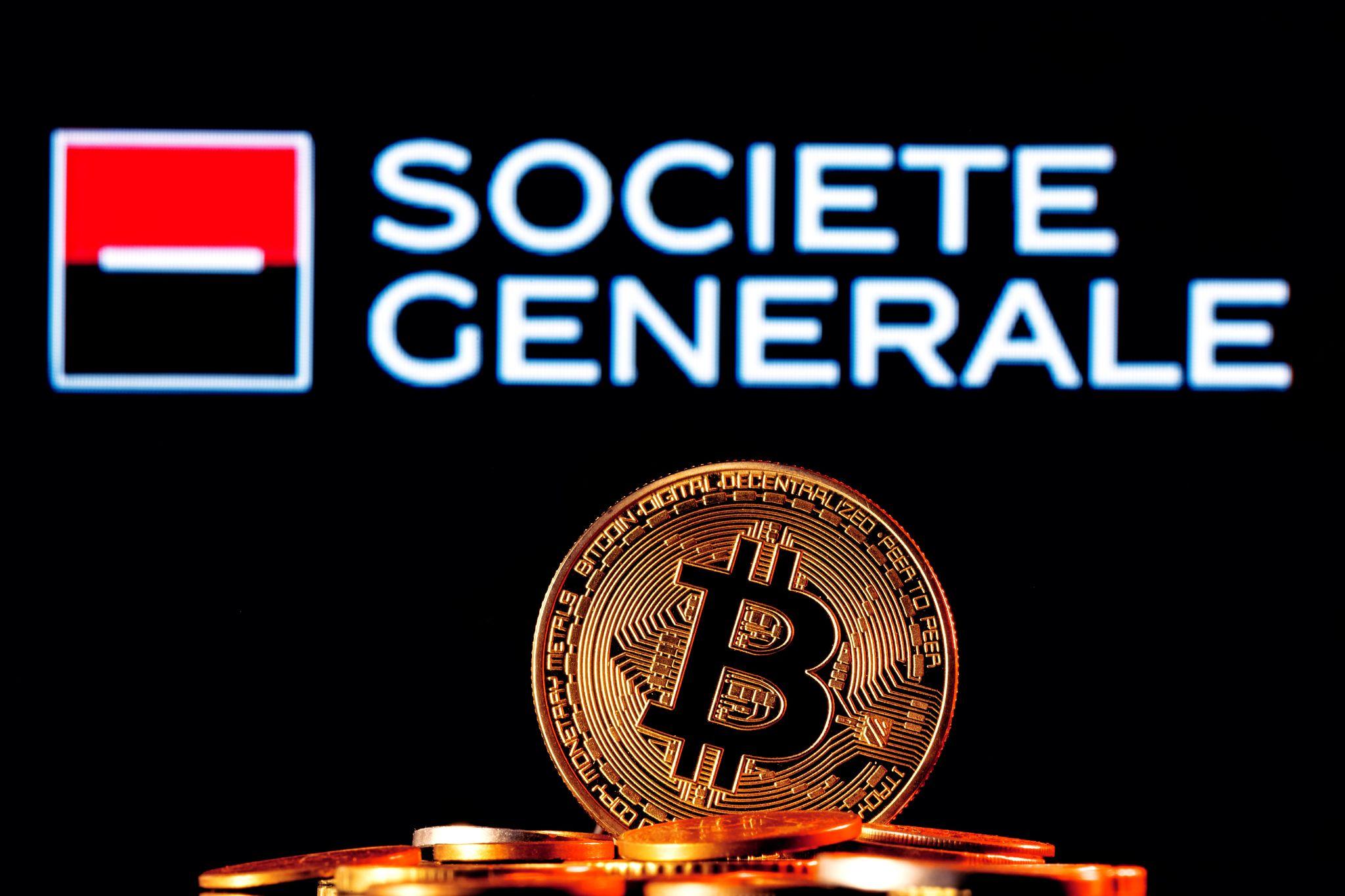
Deutsche Börse Group’s new partnership with Societe Generale-FORGE (SG-FORGE) marks one of the clearest institutional endorsements yet for regulated euro- and dollar-denominated stablecoins in European financial markets. The agreement focuses on integrating SG-FORGE’s CoinVertible stablecoins—available in both EUR and USD—into Deutsche Börse’s infrastructure, including its post-trade powerhouse Clearstream. This step elevates stablecoins from experimental niche products to settlement instruments considered suitable for institutional workflows.
The integration is positioned as a foundation for transforming how cash moves across digital capital markets. By embedding token-based cash directly into existing market infrastructure, Deutsche Börse aims to establish a seamless environment where securities issuance, settlement, collateral mobility, and treasury operations can all be executed using a MiCA-regulated stablecoin. This approach blends the programmability and speed of digital assets with the reliability of a traditional clearing ecosystem.



Europe’s regulatory landscape is central to this development. Under the (MiCA), SG-FORGE’s CoinVertible becomes one of the first institutional-grade stablecoins designed specifically for compliant use across financial markets. For Deutsche Börse, the move reflects a strategic push to anchor Europe’s digital market evolution in regulated tools rather than unregulated crypto-native alternatives.
Takeaway
How CoinVertible Could Reshape Collateral, Settlement, and Liquidity
The first phase of the partnership focuses on enhancing CoinVertible’s functionality within Clearstream’s collateral and settlement operations. Clearstream already plays a central role in European post-trade infrastructure, and adding a regulated stablecoin to its workflows could meaningfully reduce friction in the movement of collateral across trading, repo, and liquidity management functions. Token-based cash can settle instantly, operate without business-day limitations, and support smart-contract automation—features that directly address long-standing inefficiencies in collateral mobility.
Beyond operational efficiency, Deutsche Börse plans to list CoinVertible on its digital trading platforms, enhancing market liquidity and accessibility. This listing not only creates a price discovery venue but also strengthens the stablecoin’s utility as a settlement asset for tokenized securities. It supports the broader thesis that tokenized markets require tokenized money, and that liquidity must be distributed across both .
Future expansion will evaluate the integration of both EUR and USD CoinVertible across the entire Deutsche Börse ecosystem. Such a move would enable stablecoins to interact with a wide range of products—from digital bonds to tokenized funds—turning CoinVertible into a multi-market settlement tool. With MiCA compliance built into the stablecoin’s design, the partnership aims to create a standard institutional cash token usable across both crypto-native environments and regulated financial structures.
Takeaway
What This Means For Europe’s Digital Finance Roadmap
For Deutsche Börse, the SG-FORGE collaboration builds on its strategy to modernize the full capital markets value chain. As wholesale (wCBDC) pilots accelerate across Europe, regulated stablecoins serve as a practical bridge until central bank-issued digital cash becomes widely available. CoinVertible therefore acts as a transitional settlement asset that can interoperate with both DLT-based instruments and traditional market systems.
The partnership also extends Societe Generale-FORGE’s influence as one of Europe’s leading institutional stablecoin issuers. SG-FORGE has positioned itself as a pivotal link between crypto-native actors and regulated financial institutions, supplying market-ready, MiCA-compliant cash tokens. By aligning with a market infrastructure provider of Deutsche Börse’s scale, SG-FORGE is accelerating the standardization of stablecoins within core financial processes.
Strategically, the deal represents the alignment of two forces shaping Europe’s digital markets: regulated infrastructure operators and compliant digital-asset issuers. Together, they reinforce a shared vision of digital finance built on trust, transparency, and interoperability. As issuance, settlement, and custody workflows (DLT), partnerships like this one will determine how rapidly Europe can scale digital markets at an institutional level.
Takeaway