Atkins Says USA Actively Embracing Tokenisation
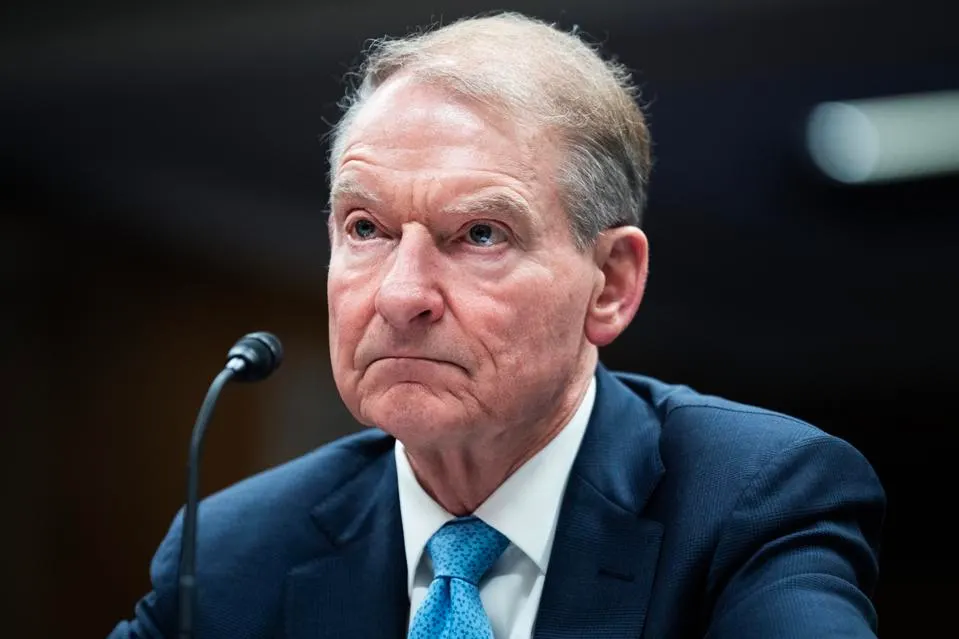
SEC Chair Atkins has confirmed a major shift in U.S. regulatory thinking: the United States is no longer observing tokenisation from the sidelines — it is actively moving to embrace it. In a series of recent speeches and policy directives, Atkin outlined a vision for a modernised financial system in which tokenised securities, blockchain-based market infrastructure, and compliant DeFi play central roles. His comments mark a turning point in U.S. policy, signalling that Washington intends to shape the global future of digital finance rather than react to it.
From Cautious Oversight to On-Chain Market Architecture
Atkin has directed SEC staff to begin drafting “simple, clear rules of the road” for tokenised asset issuance, custody, and secondary trading. Instead of relying primarily on enforcement actions — a hallmark of earlier regulatory strategy — the new approach viewks to provide proactive guidance and regulatory certainty for institutions looking to build compliant digital-asset products.



A major focus is the tokenisation of traditional financial instruments such as Treasuries, money market funds, corporate bonds, and equities. Under Atkin’s direction, the SEC is evaluating pathways that would allow broker-dealers, platforms, and clearing firms to migrate pieces of their infrastructure onto blockchain rails without lowering the bar for investor protection. The objective is to enable benefits such as real-time settlement, reduced counterparty risk, automated compliance, and lower operating costs.
Atkin has also acknowledged that DeFi — once treated primarily as an enforcement target — may become an significant venue for regulated financial activity if proper guardrails are established. This includes requirements around audited code, transparent governance, financial disclosures, and accountability standards consistent with existing securities laws. The message is clear: firms willing to operate transparently and meet regulatory standards are welcome to innovate within the U.S. market.
What a Tokenisation Push Means for Markets and Builders
For Wall Street, Atkin’s remarks are a long-awaited green light. Large banks and asset managers can now accelerate tokenisation pilots, including on-chain repo markets, tokenised fund shares, and programmable structured products. With SEC support, these experiments can scale from isolated tests to production-grade financial infrastructure.
For fintechs and crypto-native firms, the new environment offers both opportunity and challenge. Firms with strong compliance cultures — transparent leadership, robust risk controls, audited smart contracts, and clear disclosures — now have a predictable pathway for building within the U.S. regulatory system. Meanwhile, projects relying on anonymity, opaque governance, or aggressive leverage may find it harder to operate under a more structured regime.
Internationally, Atkin’s stance positions the United States as a global leader in tokenisation. As Europe, Asia, and the Middle East pursue their own digital-asset strategies, a clear U.S. framework could shape global standards and attract high-quality financial innovation back onshore. The convergence of regulated DeFi, tokenised real-world assets, and modernised settlement systems could redefine how global capital markets function.
Ultimately, Atkin’s message is one of transition: the U.S. is moving from a defensive posture toward a constructive, rules-based embrace of tokenised finance. By setting regulatory clarity as the cornerstone of innovation, the SEC aims to ensure that the next generation of financial infrastructure is built with the security, transparency, and reliability that global markets expect.