South Korea Passes Legislation Establishing Tokenized Securities Framework
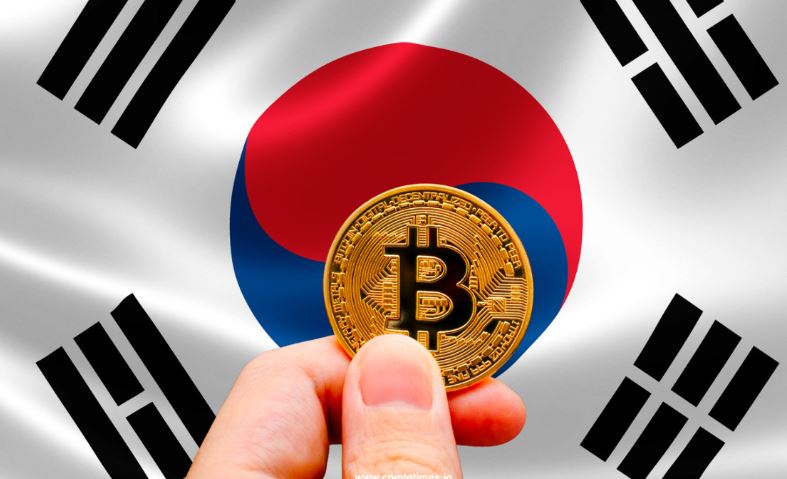
South Korea’s National Assembly has passed a establishing a comprehensive tokenized securities framework and making them legal financial products in the country. The new law, which will govern how tokenized financial instruments are issued, traded, and cleared, is designed to provide legal clarity for market participants while protecting investors and integrating digital assets with traditional capital markets.
The development follows years of discussion among regulators, industry stakeholders, and lawmakers about how to bring emerging digital financial instruments into a regulated ecosystem without stifling innovation. With this vote, South Korea joins a growing number of jurisdictions that are crafting legal frameworks tailored to the unique characteristics of , blending cutting-edge finance with established legal guardrails.
Tonized Assets to Get Legal Clarity and Market Access in South Korea
Under the new law, tokenized securities (digital representations of financial instruments like stocks, bonds, and funds) on distributed ledgers will be classified as legal financial products subject to licensing, supervision, and market conduct rules. The legislation outlines how token issuance platforms, brokers, custodians, and marketplaces must operate under the supervision of the and the Financial Supervisory Service (FSS).
Key provisions include mandatory registration and licensing for intermediaries facilitating tokenized securities transactions, standardized disclosure requirements for issuers, and investor protection measures designed to prevent fraud, manipulation, and conflicts of interest. The law also touches on custody standards for digital assets, interoperability with conventional clearing systems, and cross-border trading protocols, which could bridge blockchain-native mechanisms with existing financial infrastructure.
Market participants and policy advisors have welcomed the clarity, noting that previous legal uncertainty hindered institutional engagement and forced many projects into regulatory grey zones. With a statutory foundation now in place, asset managers, platforms, and fintech firms can plan offerings and custody answers with greater confidence that their operations will align with enforceable legal standards.
Tokenized Securities to Boost Innovation, Liquidity, and Institutional Confidence
The passage of the tokenized securities framework can impact South Korea’s capital markets and the broader digital asset ecosystem in many ways. With legal clarity, institutions that were previously hesitant due to legal amlargeuity may now explore tokenized instruments more confidently.
Issuers could also benefit because tokenization enables fractional ownership and broader investor access, lowering the barrier to entry. Liquidity will also be impacted, as digital security transactions can settle quicker and more transparently at lower costs than traditional systems.
However, not all stakeholders view the law as positive. Some groups worry that compliance hurdles, especially for , could create high barriers to entry and favor high-profile platforms and large financial institutions. Others point out that regulatory certainty does not automatically guarantee liquidity and that ecosystem development will be critical to realizing the benefits of tokenized markets.
Ultimately, it’s yet to be viewn how South Korea could shape the future of global capital markets.