Binance Lists Ripple’s RLUSD Stablecoin With ETH Support
Why the Binance Listing Matters for RLUSD
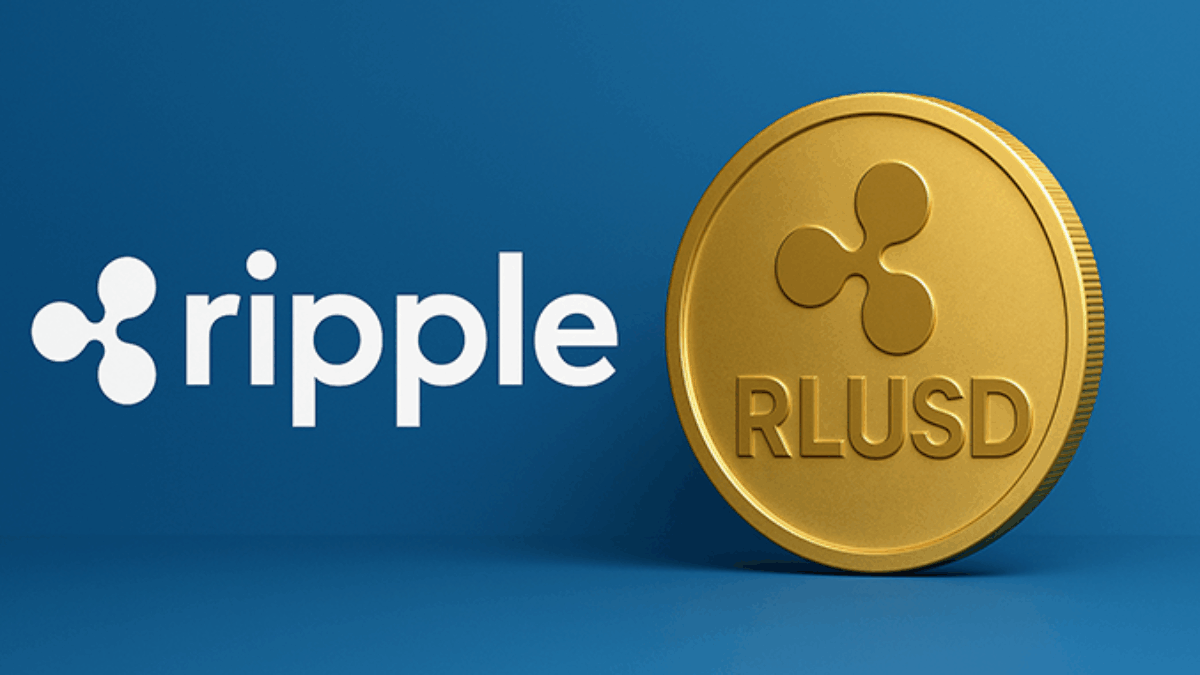
Ripple’s dollar-backed stablecoin, RLUSD, is set to begin spot trading on Binance on Thursday, marking its most prominent platform listing to date. The token will initially launch with support on ETH, with integration on the XRP Ledger expected at a later stage, according to details shared by the platform.
Binance said trading will go live on Jan. 22 at 08:00 UTC, with pairs including RLUSD/USDT and XRP/RLUSD. The listing gives traders direct access to RLUSD alongside Ripple’s in one of the deepest liquidity venues in the crypto market.



For RLUSD, the move represents a step beyond Ripple’s own network and ahead distribution channels. Until now, the stablecoin’s footprint has been more closely tied to Ripple-linked infrastructure and select platforms. A Binance listing changes that dynamic by exposing RLUSD to a global base at scale.
Investor Takeaway
How RLUSD Is Positioned in a Crowded Stablecoin Market
RLUSD enters a stablecoin landscape dominated by a small number of large issuers. remain the primary settlement assets across platforms, decentralized finance, and cross-border crypto flows. Against that backdrop, Ripple has framed RLUSD as an enterprise-focused alternative rather than a retail-first product.
The stablecoin is fully backed on a 1:1 basis by U.S. dollar deposits, short-term Treasury bills, and cash equivalents, with monthly attestations intended to provide visibility into reserves. Ripple has said RLUSD has grown to more than $1.3 billion in market value, placing it among the top tier of dollar-backed stablecoins, though still far behind market leaders.
The Binance listing strengthens RLUSD’s competitive standing by giving it immediate access to trading volumes and counterparties that are hard for newer stablecoins to build organically. In practice, visibility on a major platform often plays a larger role in adoption than technical design alone.
Why ETH Support Comes First
Binance confirmed that RLUSD will initially be supported on ETH, allowing the token to connect with existing from day one. ETH remains the dominant settlement layer for stablecoins outside of centralized platforms, with deep liquidity pools and established tooling for lending, trading, and payments.
By launching on ETH first, RLUSD can slot into familiar workflows for traders and institutions that already rely on ERC-20 stablecoins. This lowers friction for adoption and makes RLUSD usable across a wide range of on-chain applications without waiting for new integrations to be built.
Support for the XRP Ledger is expected to follow. When that happens, RLUSD would gain access to a low-cost settlement network that Ripple has long promoted for payments and remittances. That combination — ETH for DeFi access and XRP Ledger for payments — reflects Ripple’s broader strategy of positioning RLUSD as a utility-driven stablecoin rather than a purely trading-focused asset.
Investor Takeaway
What the Listing Says About Stablecoin Competition
The timing of the Binance launch comes as competition among stablecoin issuers intensifies. Regulators in the U.S. and other jurisdictions are increasing scrutiny around reserve disclosures, governance, and consumer protections, pushing some institutions to reassess which stablecoins they are willing to use.
In that environment, newer stablecoins backed by regulated firms and traditional assets are attempting to carve out space alongside incumbents. RLUSD’s growth to a reported $1.3 billion market value suggests ahead traction, but it remains small relative to USDT, which stands near $96 billion, according to market data.
Binance also said RLUSD will be eligible for portfolio margin and is expected to be added to Binance Earn, extending its role beyond spot trading. Those features allow users to deploy the stablecoin in margin frameworks and yield products, increasing its utility within the platform’s ecosystem.
What Comes Next for RLUSD
The Binance listing does not guarantee broad adoption, but it removes one of the largest distribution constraints facing new stablecoins. Liquidity, accessibility, and integration matter more than branding alone, and RLUSD now has a platform that can support all three.
The next phase will depend on whether traders, institutions, and payment firms choose RLUSD over established alternatives for settlement and collateral. Broader platform support, deeper on-chain integrations, and consistent reserve disclosures will likely determine how far the stablecoin can expand from here.