Franklin Templeton Launches Hong Kong’s First Tokenized Fund
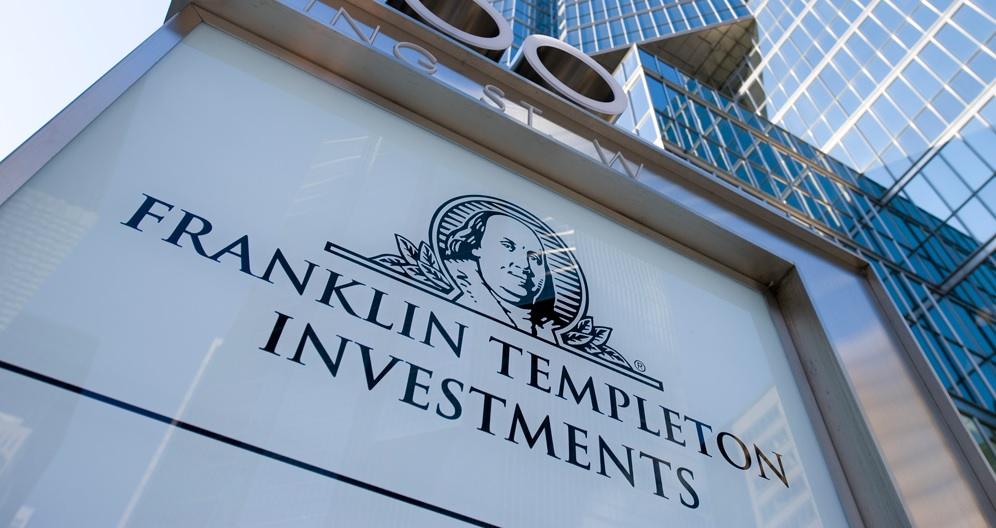
Franklin Templeton has officially launched Hong Kong’s first tokenized money market fund, marking a notable step in the evolution of regulated digital asset products in the region. The Franklin OnChain U.S. Government Money Fund, registered in Luxembourg, will initially be available to professional and institutional investors. The fund invests in short-term U.S. government securities designed to maintain liquidity, preserve capital, and provide stable returns.
Tokenization structure and operational efficiency
The key feature of the launch is its end-to-end tokenized structure. Instead of relying on traditional transfer agency systems, the fund’s share ownership is recorded directly on a blockchain network. This tokenization model enables more efficient transaction settlement, streamlined record-keeping, and improved transparency for investors. Franklin Templeton has stated that this approach can reduce operational friction often found in legacy asset servicing and distribution.


The fund continues Franklin Templeton’s broader digital asset strategy. The firm previously introduced a similar on-chain fund in the United States and has been developing blockchain-native servicing frameworks in recent years. The Hong Kong launch extends these efforts into global markets, reinforcing the firm’s view that tokenization can enhance investment infrastructure while maintaining regulatory oversight.
Hong Kong’s regulatory positioning and market landscape
The launch comes at a time when Hong Kong is positioning itself as a global hub for regulated digital asset markets. Unlike mainland China, Hong Kong maintains a separate financial regulatory regime that permits controlled participation in digital asset investing. Authorities in the region have publicly signaled support for exploring tokenization of real-world financial assets as a means of strengthening capital market efficiency.
For now, the tokenized money market fund is limited to professional investors, as required under Hong Kong’s current regulatory framework. Expansion to retail investors may occur in the future, subject to approval by the Securities and Futures Commission. Market analysts note that retail access could significantly expand the adoption of tokenized investment products if regulatory conditions evolve.
The introduction of a blockchain-native fund by a major global asset manager signals growing institutional confidence in the viability of tokenized financial instruments. Tokenization is increasingly viewed as a potential answer to longstanding challenges in fund distribution and administration, including settlement delays, reporting gaps, and intermediary complexity.
If widely adopted, tokenized fund structures may enable more interoperable financial systems, greater transaction transparency, and new distribution models that could eventually support broader investor participation. However, market participants caution that meaningful scale will require continued regulatory clarity, secure digital custody answers, and industry standards for blockchain interoperability.
Franklin Templeton has indicated that tokenized fund models may play a larger role in its long-term product development strategy. The firm views blockchain-based servicing systems contributing to increased efficiency and improved investor experience across its asset management offerings.
Conclusion
The launch of Hong Kong’s first tokenized money market fund underscores the growing momentum behind tokenization in global asset management. As Hong Kong advances its digital asset regulatory framework, the region may serve as a testing ground for broader adoption of tokenized investment products. For Franklin Templeton, the move represents a strategic expansion of blockchain-enabled fund infrastructure, setting a precedent for future developments in regulated digital finance.